

Vic-le-Comte
Auvergne-Rhône-Alpes, Puy-de-Dôme
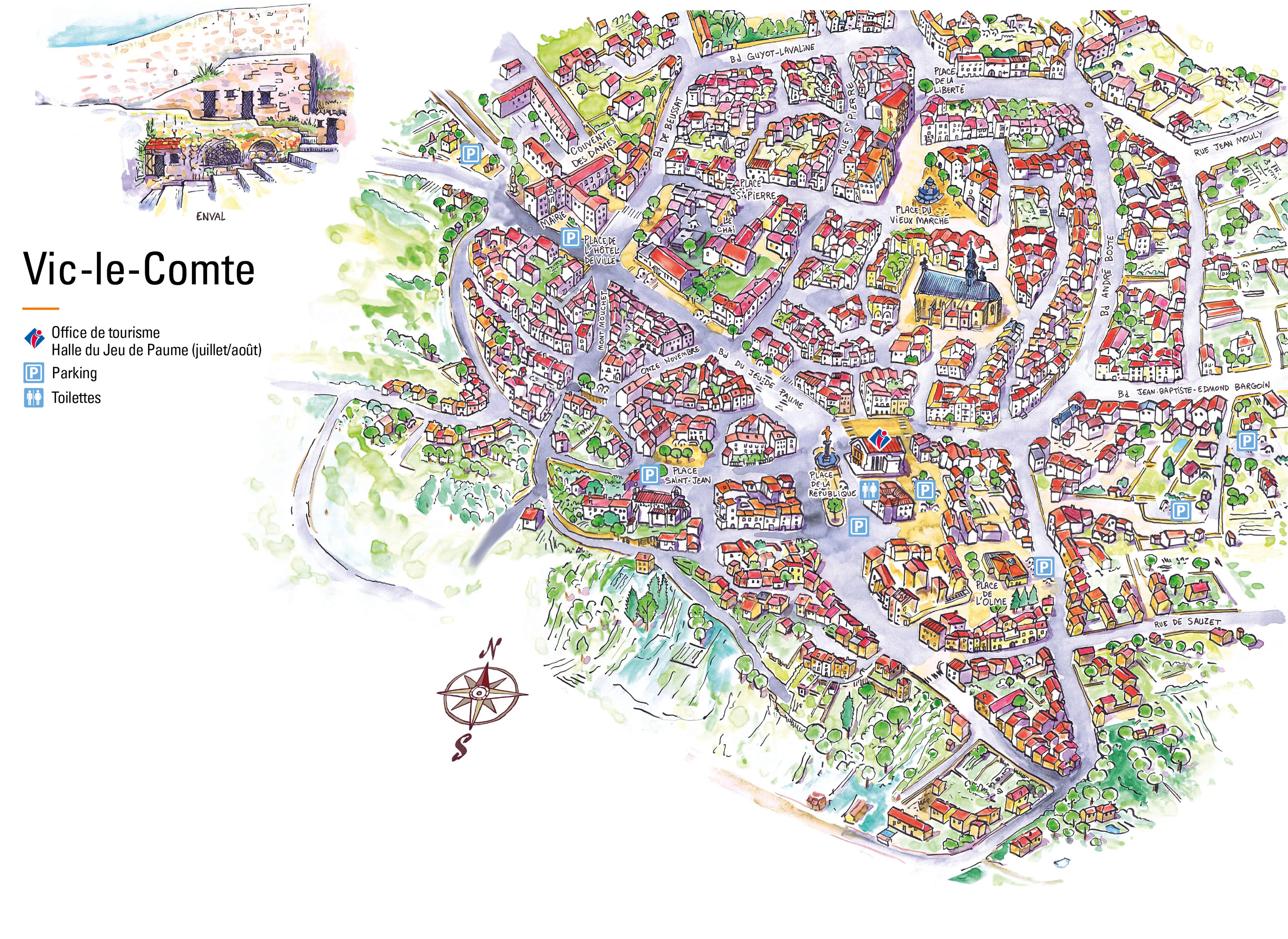
Vic-le-Comte, Petite Cité de Caractère®
Vic-le-Comte is designated Petite Cité de Caractère®. As such, it forms part of a national project aimed at promoting and protecting the architectural heritage of little towns across France. Through tourism, the initiative encourages visitors to embrace the local culture by strolling through the streets, learning about the history of the area, taking part in local events, and discovering the local way of life. In Puy-de-Dôme, there are several Petite Cité de Caractère® little towns to discover. The digital map will help you navigate each of them and highlight their main attractions.
Presentation
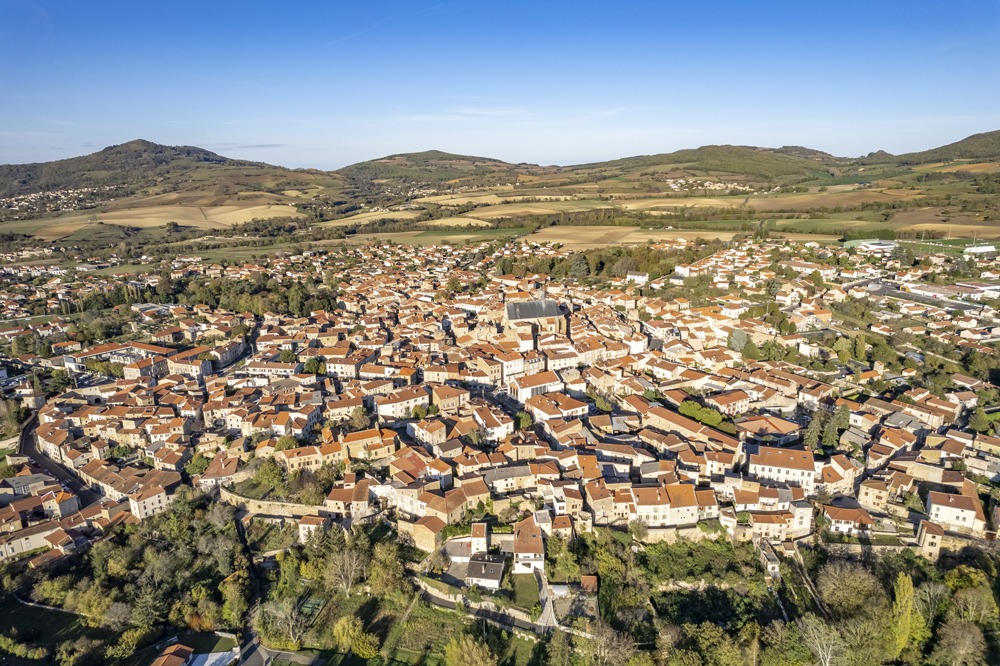
Vic-le-Comte lies in Puy-de-Dôme, 20 km south-east of Clermont-Ferrand, in the volcanic ‘Limagne des Buttes’ between the Allier and the Comté Forest. Its medieval and Renaissance old town has many protected monuments: the Sainte-Chapelle (1520) with its altarpiece of seven virtues, the old gate of the Palais des Comtes rebuilt by John Stuart, and the Place du Vieux Marché fountain with its mascaron. In 1210, Philippe Auguste stripped the Count of Auvergne of his county, leaving only Vic, capital from 1229 as ‘Vicus Comitis’ (‘village of the count’). Today the town hosts the Early Music Festival (August), ‘Un jour en Renaissance’ (September) and ‘Les Hivernales de la Comté’ (December). Le Trampoline is its arts and crafts space.
The Sainte-Chapelle of Saint-Pierre Church
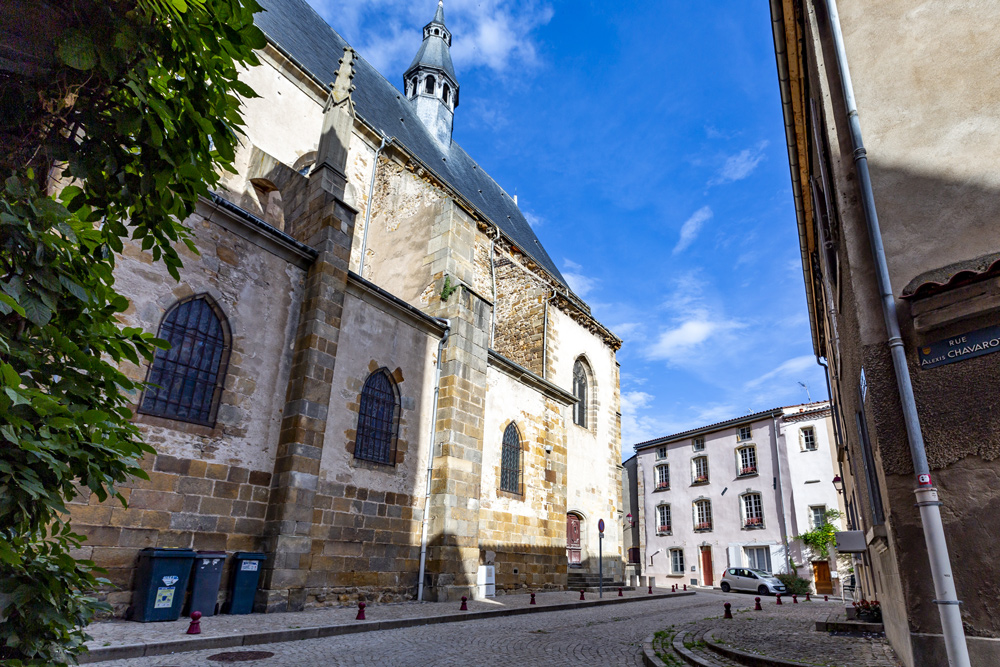
A 'Renaissance jewel', the former Romanesque castle chapel was remodelled in 1520 by John Stuart and his wife into a Sainte-Chapelle, to house relics of the Passion (now lost). The first was built in 1248 by Saint Louis for relics from the Emperor of Constantinople; fragments given to his relatives inspired others on the Parisian model. Serving the kings of France, Stuart married, at Louis XII's request, Anne de la Tour, a descendant of Saint Louis; fought in the Italian Wars; became uncle then guardian of Catherine de Medici; and, of Scottish royal blood, regent to the future James V. The choir altarpiece shows the seven virtues as Renaissance women; the 15th-century stained glass depicts the Passion, the Old Testament and the Tree of Jesse; the twelve terracotta apostles are attributed to Rustici, close to Leonardo da Vinci. The gallery bears plant motifs and both families' arms.
The gate of the Palais des Comtes
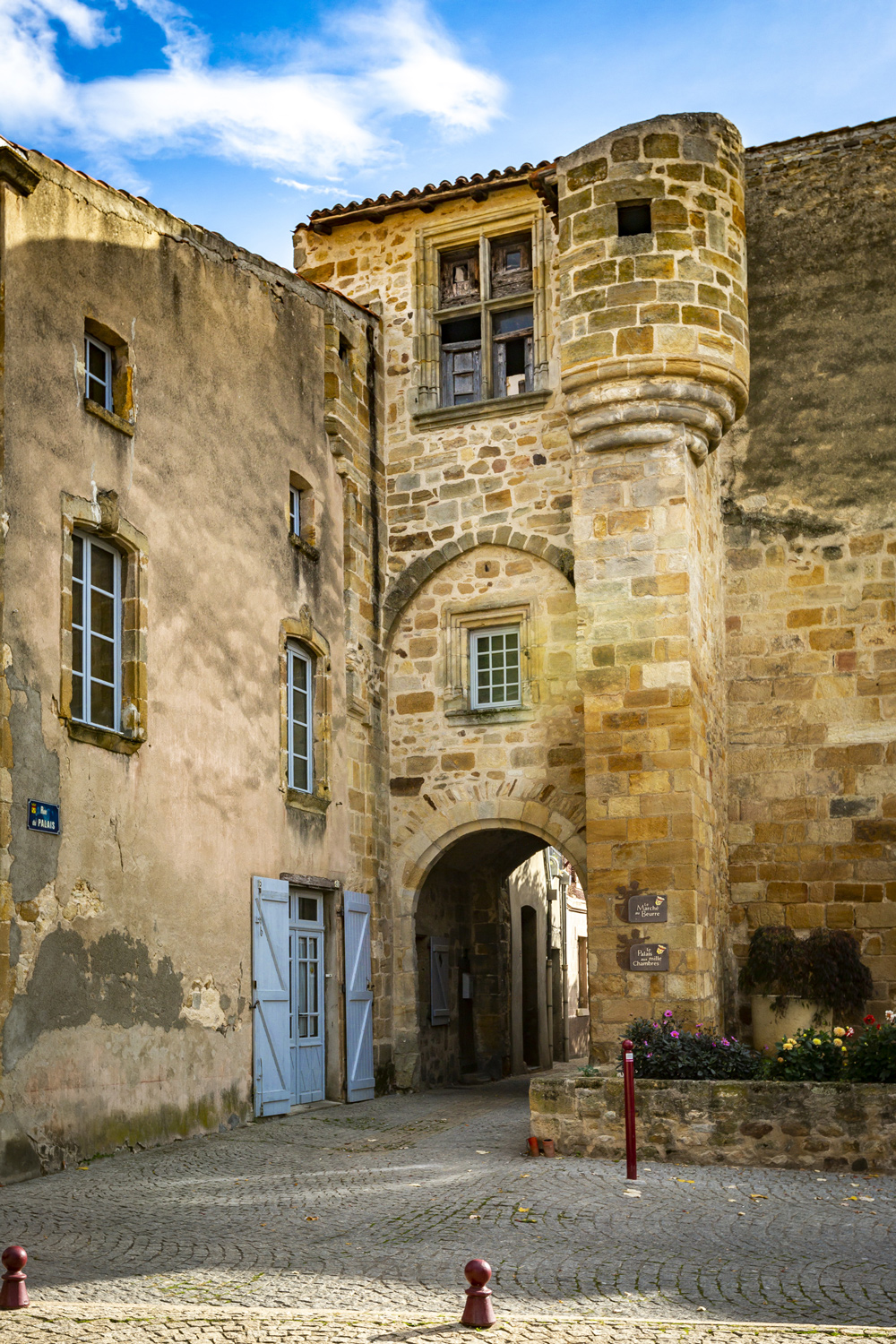
Vic-le-Comte once had a walled enclosure and a fortified castle. Built by the Dukes of Aquitaine, it was restored by the Duke of Berry in the 14th century and converted into a palace by John Stuart in the 16th century. Only a few remains are left today. Six or seven gates provided access to the city, including the 15th-century Marchadial Gate, which is the only one still visible today.
Half-timbered houses
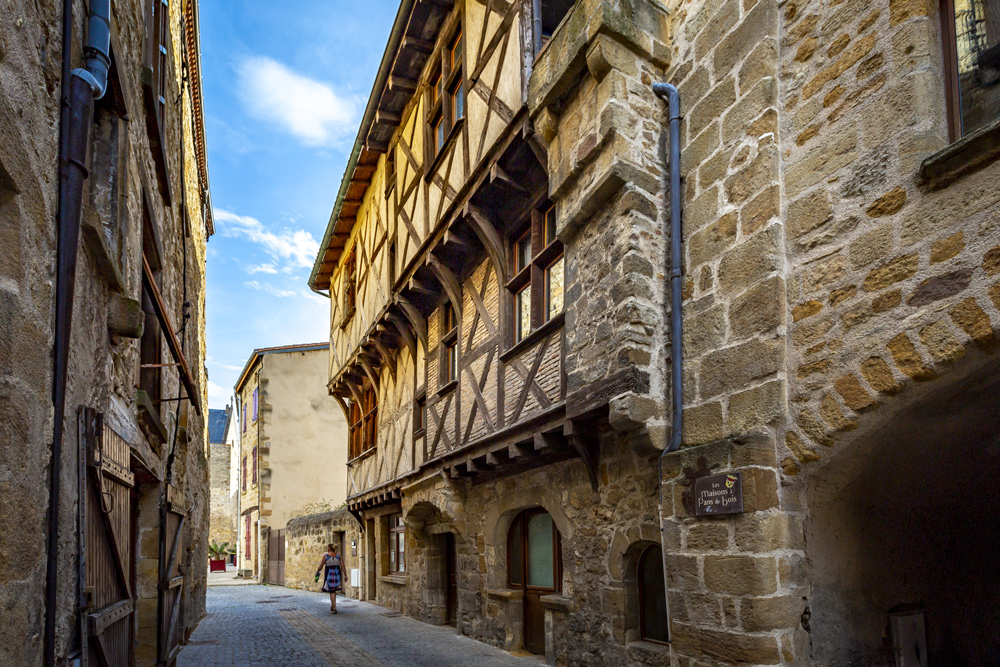
These half-timbered houses, known as 'corbelled' houses, date from the 15th century. They feature various architectural elements, such as St Andrew's crosses and the use of arkose. Originally used for commercial purposes, their ground floors feature arched bays that open onto the street.
The Church of Saint John the Baptist
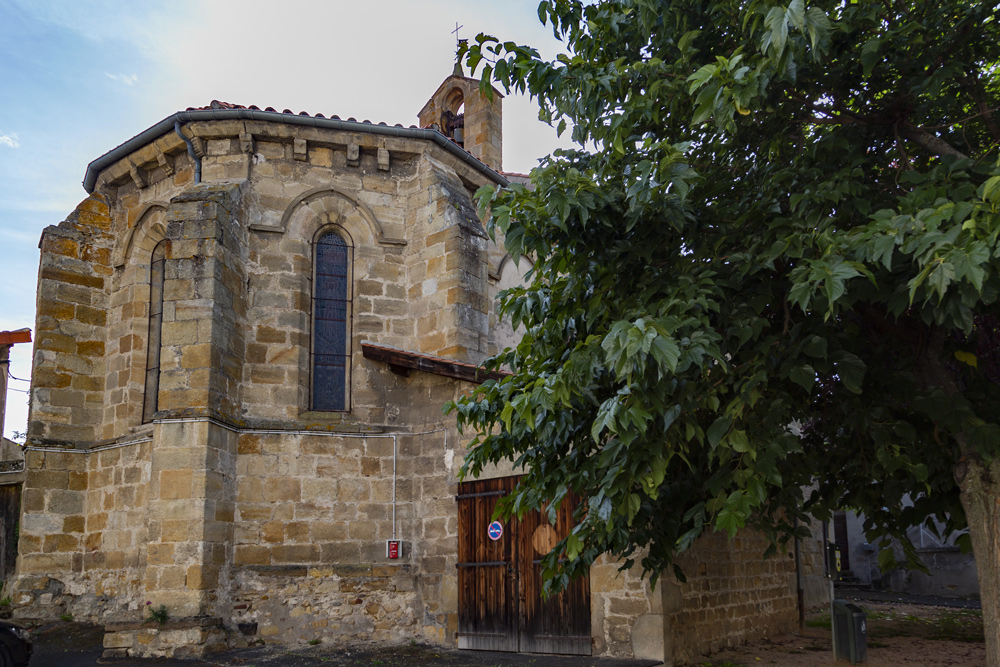
This Romanesque building served as a baptistery and the original baptismal font can still be found inside. The original chapel was enlarged and raised in the 14th century. In 1952, frescoes dating from the 13th and 14th centuries were discovered on the walls of the choir. These depict the lives of Saints Blaise and John the Baptist. The church served as the headquarters of the Rosary Confraternity, who spread a form of piety from the 15th century onwards, and as a village assembly hall. From the French Revolution onwards, it became a meeting place for discussing local and national issues.
The Convent of the Ladies
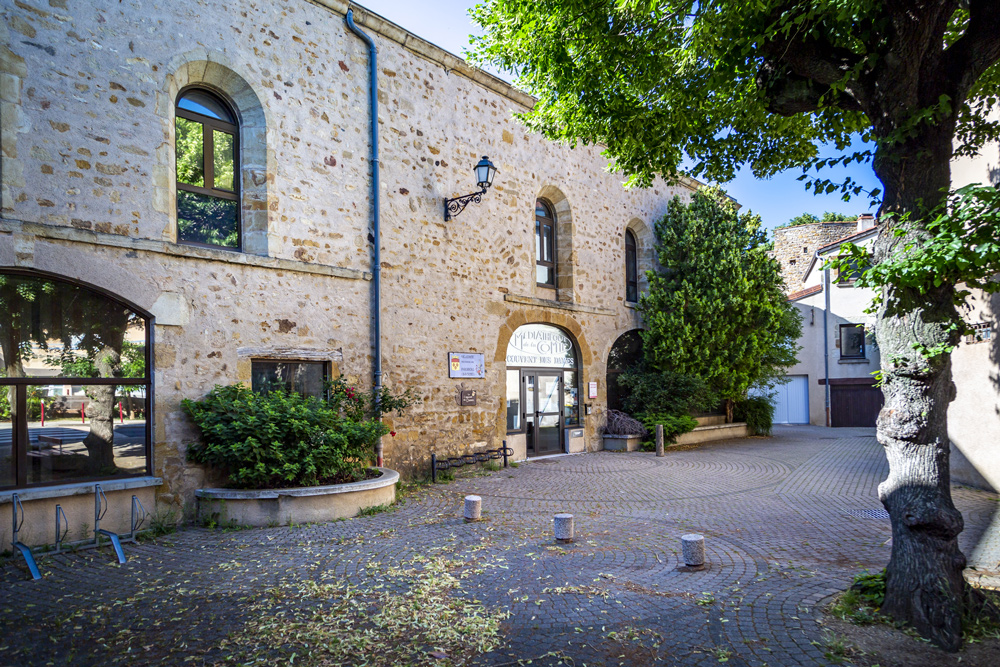
Founded in 1645 by the Order of Fontevrault, this monastery brought together contemplative nuns and teachers who educated young girls from bourgeois families. Today, it houses the inter-communal media library.
The Old Market Square
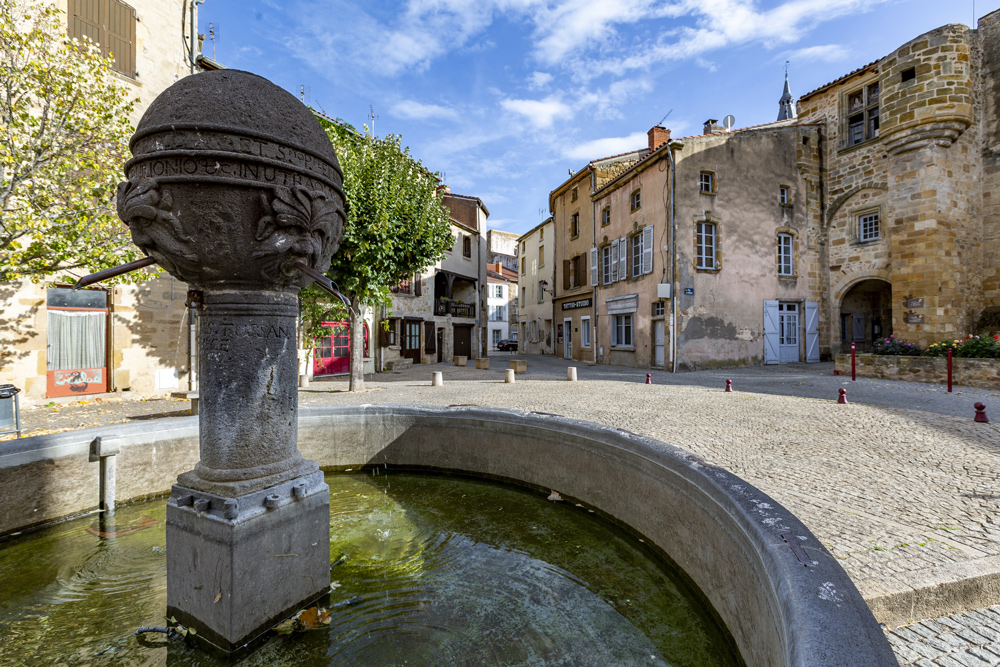
This square was used for trading food and other goods, and was located in the heart of the town. A market was held there every Thursday, and in medieval times, two fairs enlivened the area: the Saint George fair on 23 April and the Saint Michael fair on 29 September. Until 1914, the market was known as the 'butter market'. The fountain was built in 1722 by Dominique Montaigue, the Governor of Water and Forests, who commissioned architects from Volvic to satisfy the Duke of Bouillon, Count of Auvergne. The fountain was fed by the Bourboulou spring. Surplus water from the fountain flowed into the wash house or rinsing basin, which no longer exists today. An inscription engraved in Latin on the coping stone recalls the city's wine-growing past: 'Water without wine makes you squirm, too much wine makes you stagger, so to be well, water must temper wine!'.
The Mathurin Moreau fountain
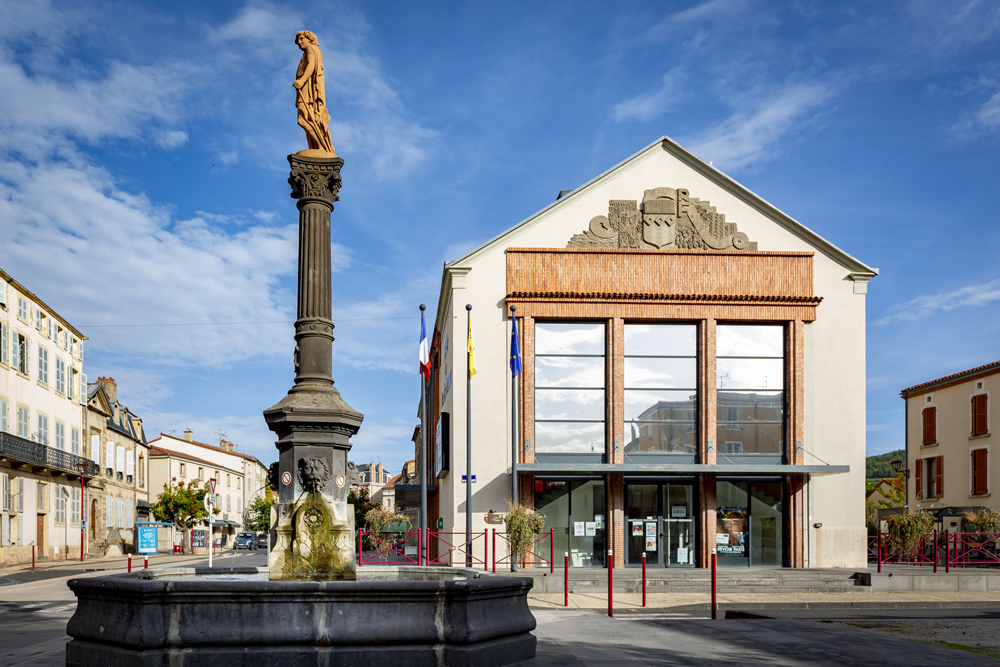
Built in 1875, this fountain is located near the Halle du Jeu de Paume. At the top is a statue by Mathurin Moreau depicting summer. The statue depicts a young man holding a billhook in his right hand and a rake in his left in front of a sheaf of wheat. Moreau studied at the École des Beaux-Arts in Paris. During his career, he won several awards and received official commissions for academic-style works, such as allegories and genre scenes. Between 1849 and 1879, he was one of the administrators of the Val d'Osne art foundry, the largest producer of art castings in France. The foundry achieved international recognition at the 1851 Great Exhibition in London. During this period, he also specialised in the industrial production of high-quality works. Statues from this period can be found around the world, including in Italy, Chile, Paraguay and Russia.
The Town Hall
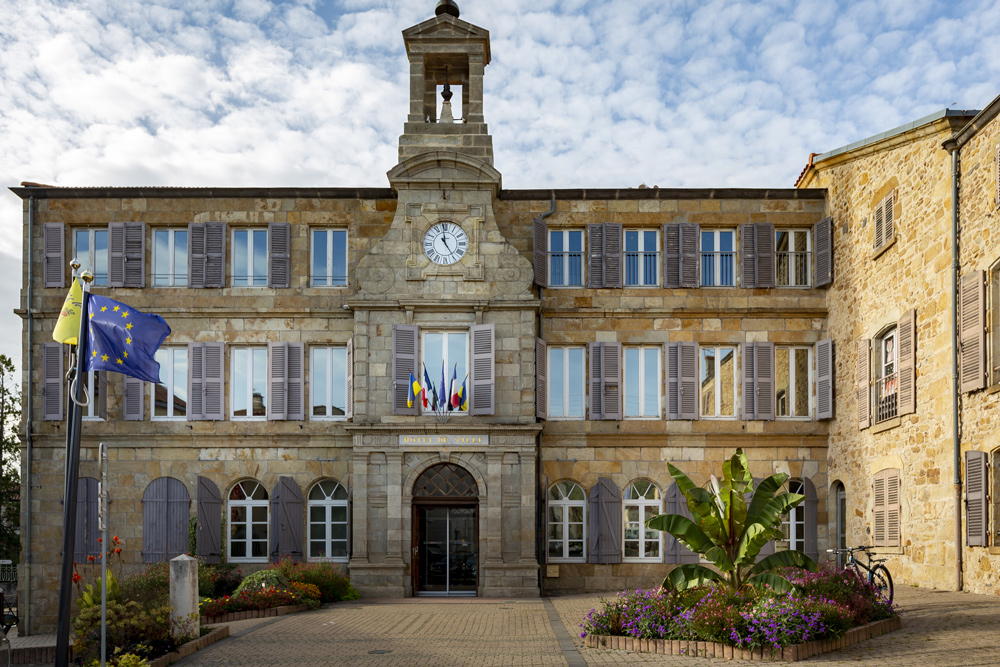
In the 19th century, during the reign of Louis Philippe I, it was a modest building containing a classroom and accommodation for the teacher and rural policeman on the ground floor. Upstairs was the courtroom and the office of the justice of the peace. This place of power and republican symbolism became more monumental through work carried out during the Second Empire and then the Third Republic. During the centenary of the French Revolution, the figure of Marianne, an allegory of democracy and liberty, was added to the top of the building. In 1902, a clock was added to tell the time to all citizens, and in 2008, the motto 'Liberty, Equality, Fraternity' was inscribed on the pediment.
The Wine Storehouse
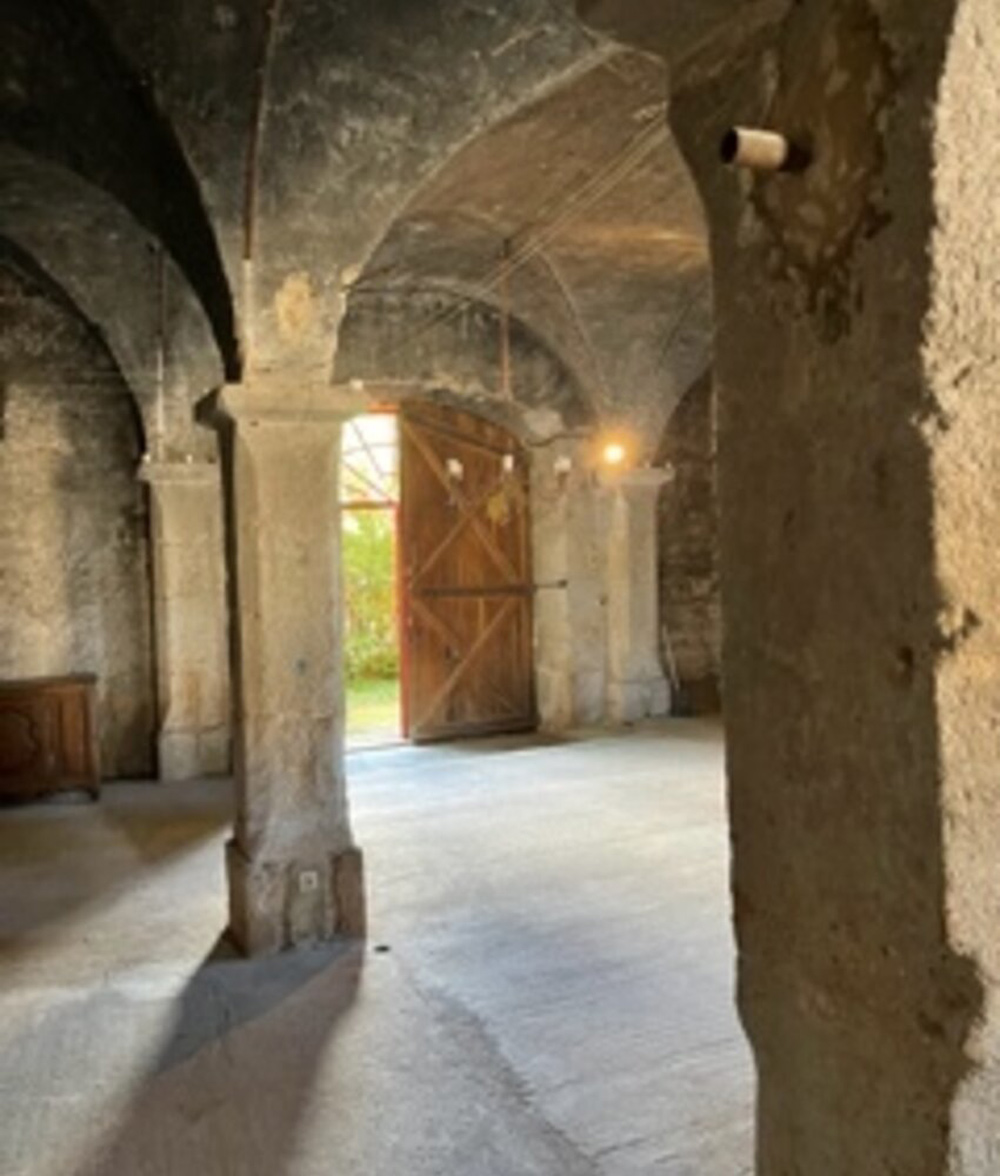
In Vic-le-Comte, there are five wine storehouses built on a similar model, identifiable by their identical vaulted ceilings. It seems that they were all built at the same time by the same craftsman. Built in 1790, the storehouse covers 200 m² on the ground floor. The interior is divided into sections by numerous pillars supporting cross vaults, which give the storehouse its distinctive appearance. The building is divided into two parts: • an area where the harvest is received and a series of operations take place, including pressing, fermentation, settling and blending; • A cellar dedicated to the storage and ageing of wines. The winery was part of the extensive Tixier de Brolac estate, stretching from Rue de la Thioule to Boulevard de Beussat and encompassing the current administrative buildings.
The art gallery, Le Trampoline
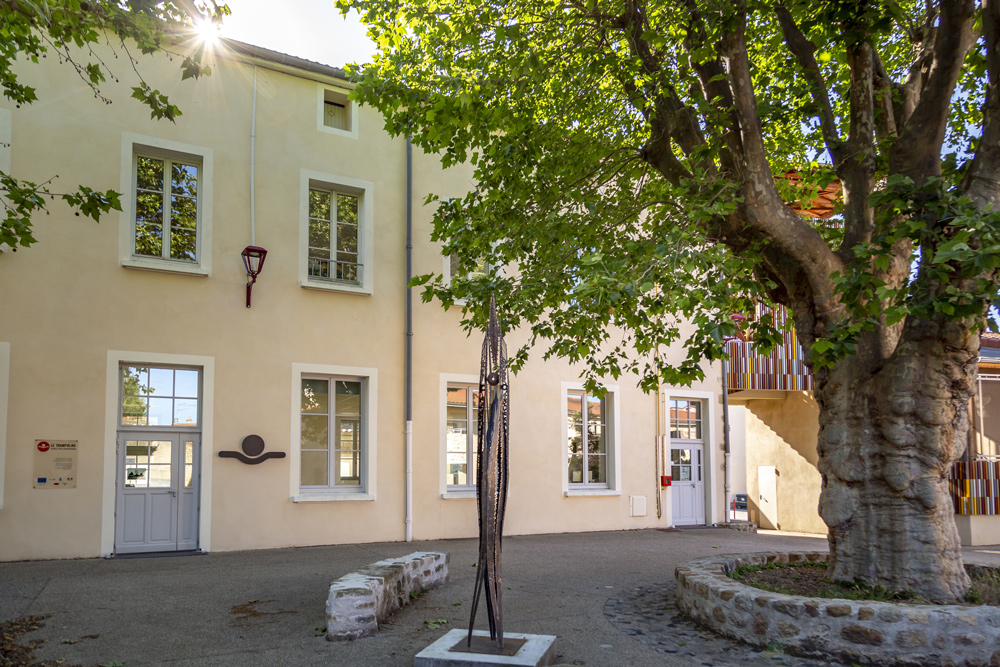
Located in the heart of the town centre, this space promotes the arts and crafts, hosting exhibitions and artist residencies on a variety of themes, as well as creative workshops and a community café. Le Trampoline is run by Matières d'Art, a collective of professionals dedicated to promoting contemporary art, design and crafts.
The Magdalenian site of Enval
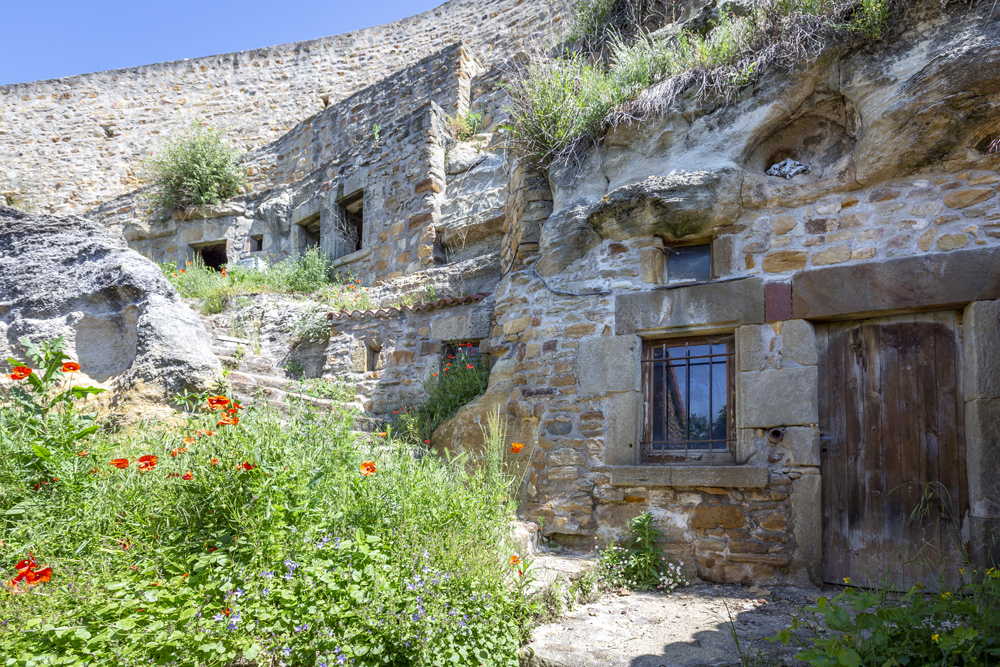
Enval is a major prehistoric site. Its cave dwellings clinging to the cliff are a rare feature in Auvergne. The buildings clearly reflect their natural surroundings, forming a connection between the structures and the landscape. The prehistoric sites at Enval are known as 'Abri Durif' and 'Abri Moliard'. Dating from the Magdalenian period (16,000 to 11,700 years ago), these shelters have yielded a large collection of artefacts and objets d'art, including engraved plaques, a statuette of a woman, mammoth and cave lion teeth, and tools.
Robin Gate
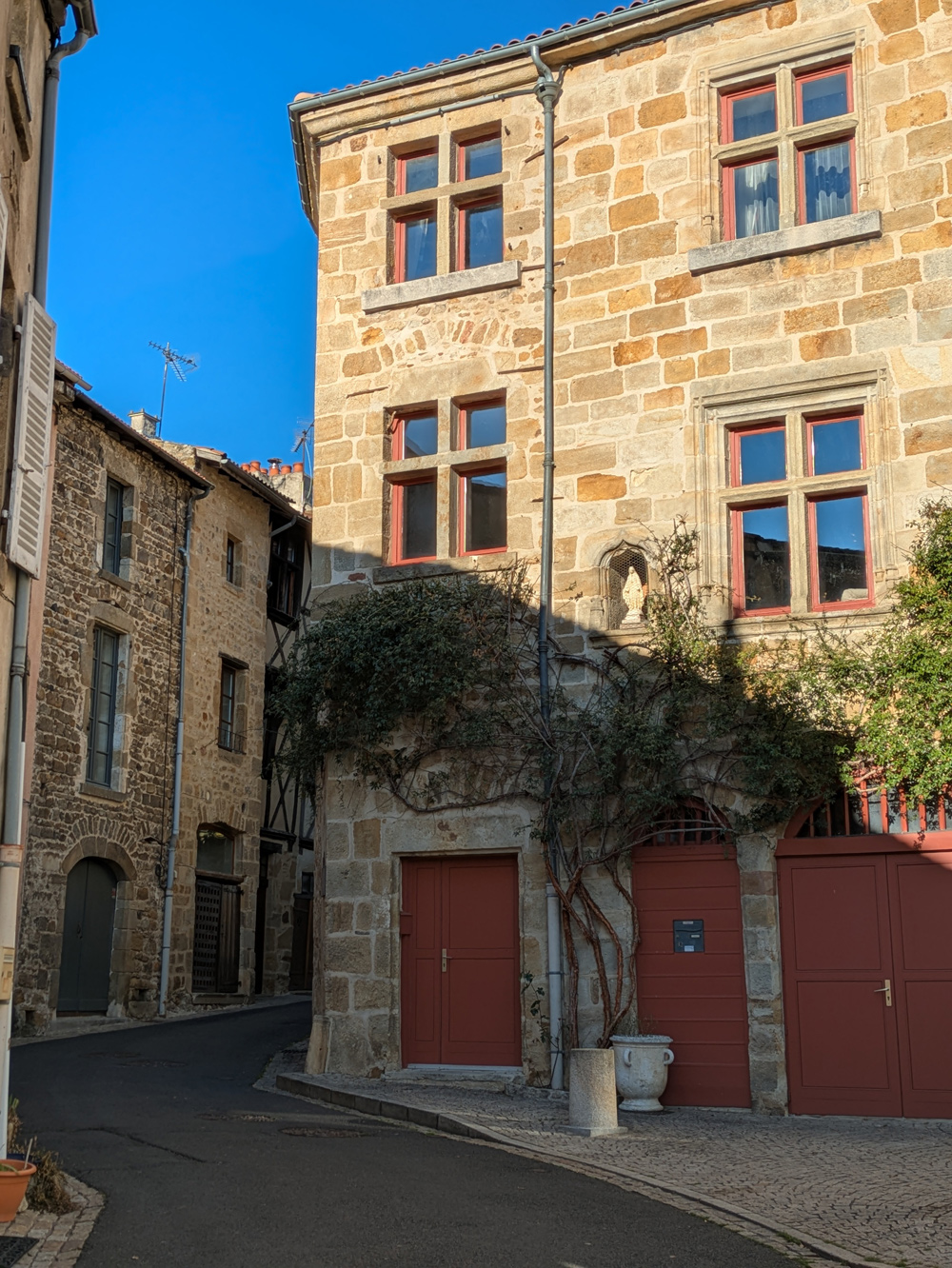
The Robin Gate is the main entrance to the comital town.
The Rampeaux fountain
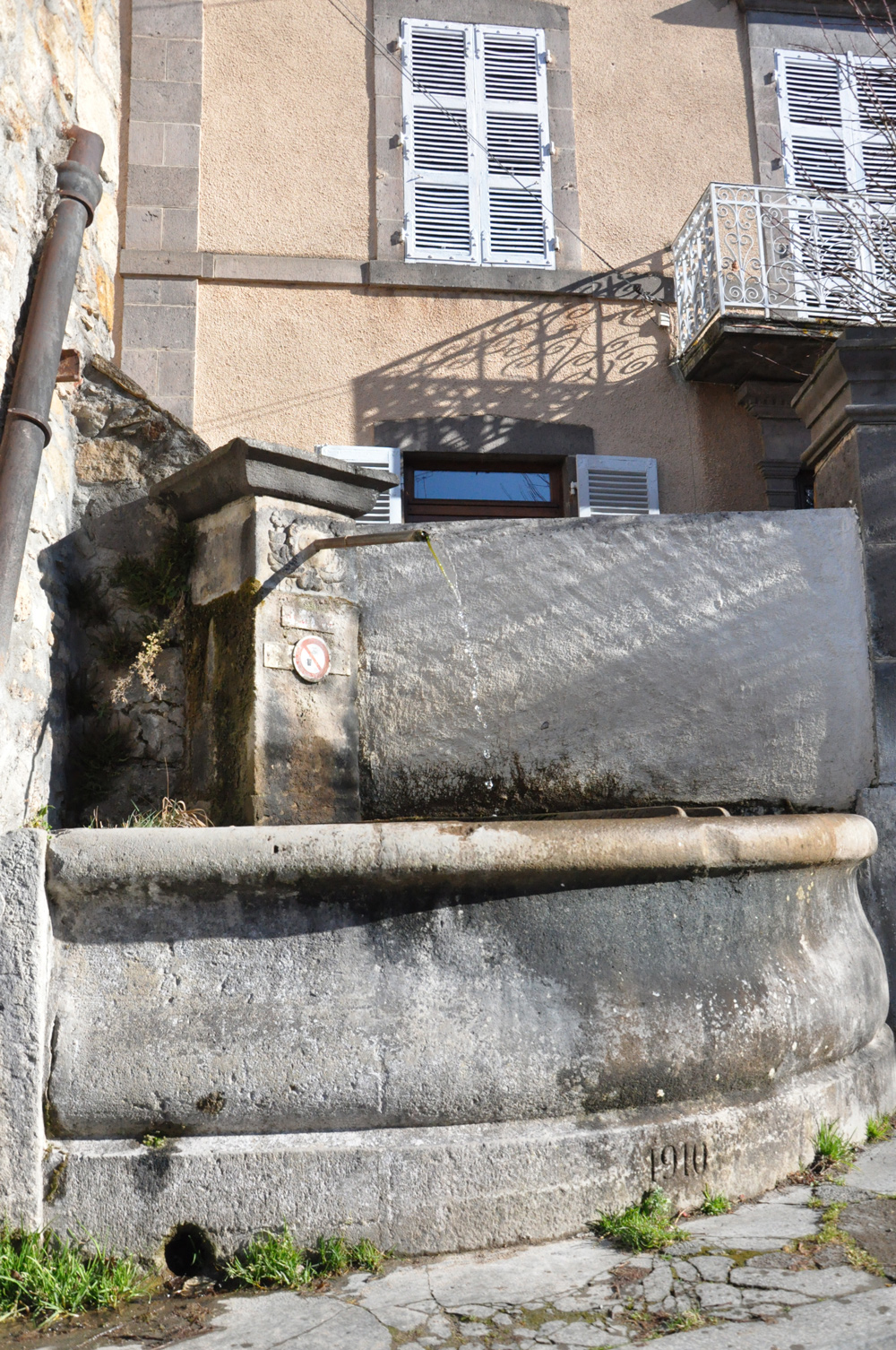
The Croix de Beussat fountain
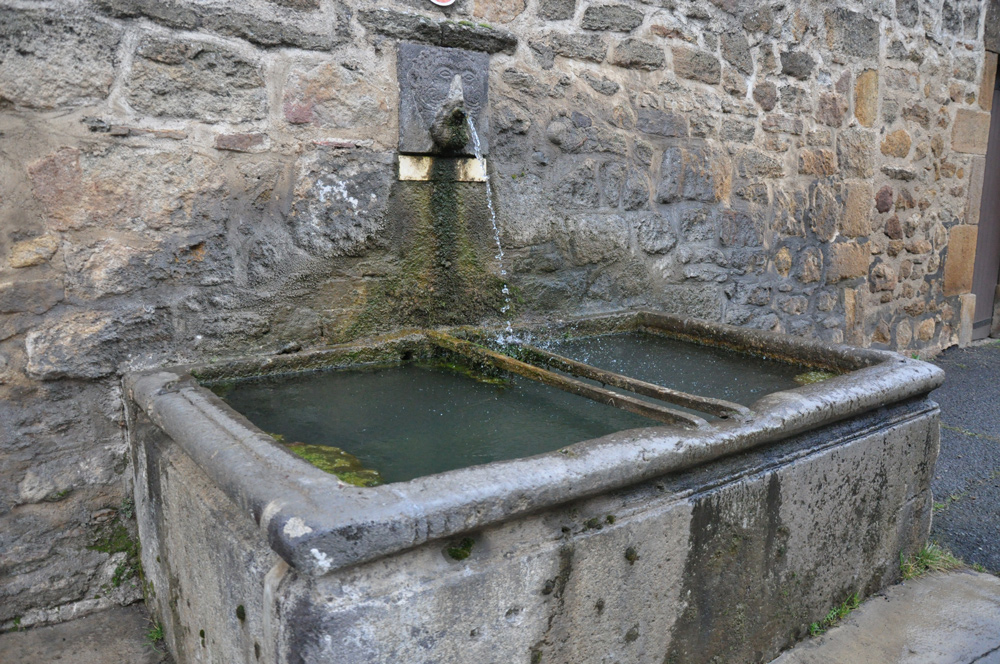
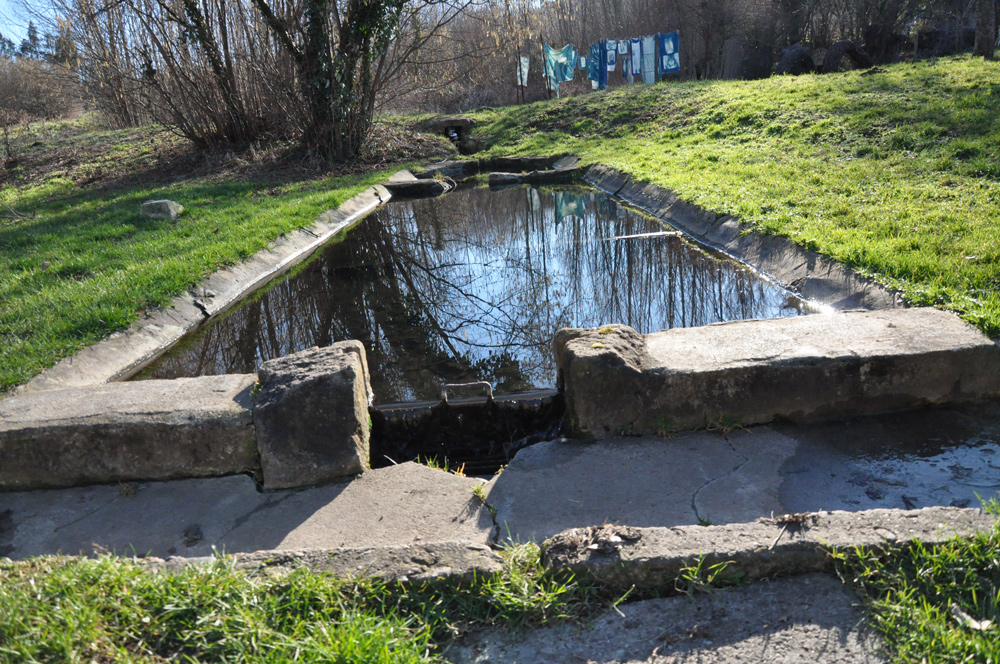
Wash house in the Sételle garden
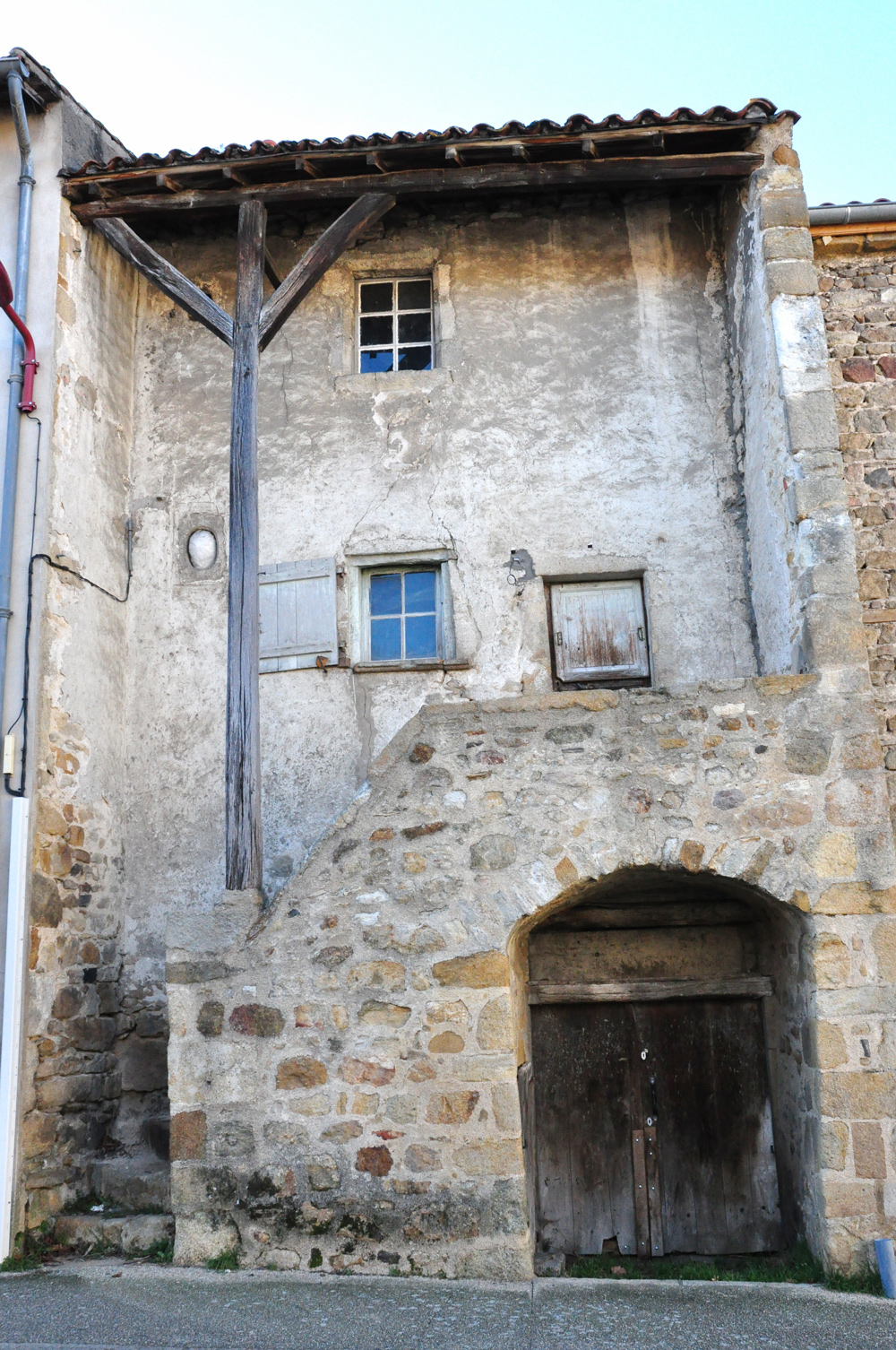
Winegrowers’ houses with vat rooms

Ce projet de carte interactive est porté par les associations Petites Cités de Caractère® de France, Petites Cités de Caractère® en Auvergne Rhône Alpes Petites Cités de Caractère® du Puy-de-Dôme et par la commune de Vic-le-Comte.
Il est soutenu financièrement par la convention FNADT du Commissariat Massif Central, et par l'appel à projet "patrimoine et numérique" de la Région Auvergne Rhône-Alpes, et par la Fondation d’Entreprises du Crédit Agricole Centre France.
Le plan de la commune (visuel de fond) a été réalisé par Lemoineau.
Les traductions en anglais ont été réalisées par Kim Spychalski.
Les voix ont été produites et enregistrées par Marie Léger (version française), Tamara Souverain (version anglaise).
Les photos ont été produites et réalisées par
Les vidéos ont été produites et réalisées par Petites Cités de Caractère®.
Conception et développement de la carte interactive par Tabula Rasa.




Ce projet de carte interactive est porté par les associations Petites Cités de Caractère® de France, Petites Cités de Caractère® en Auvergne Rhône Alpes Petites Cités de Caractère® du Puy-de-Dôme et par la commune de Vic-le-Comte.
Il est soutenu financièrement par la convention FNADT du Commissariat Massif Central, et par l'appel à projet "patrimoine et numérique" de la Région Auvergne Rhône-Alpes, et par la Fondation d’Entreprises du Crédit Agricole Centre France.
Le plan de la commune (visuel de fond) a été réalisé par Lemoineau.
Les traductions en anglais ont été réalisées par Kim Spychalski.
Les voix ont été produites et enregistrées par Marie Léger (version française), Tamara Souverain (version anglaise).
Les photos ont été produites et réalisées par
Les vidéos ont été produites et réalisées par Petites Cités de Caractère®.
Conception et développement de la carte interactive par Tabula Rasa.