

Riverie
Auvergne-Rhône-Alpes, Rhône
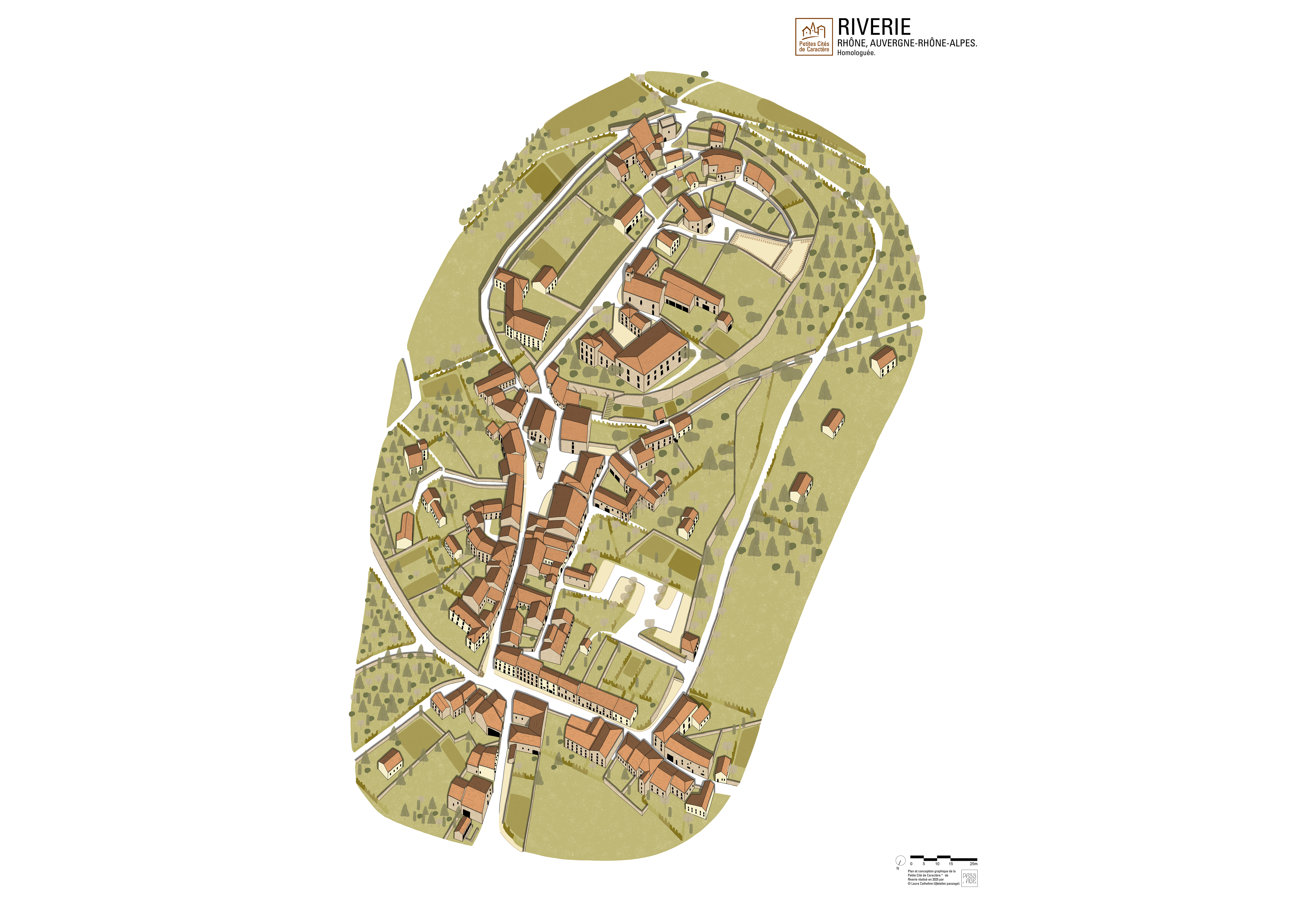
Riverie, Petite Cité de Caractère®
Riverie is designated Petite Cité de Caractère®. As such, it forms part of a national project aimed at promoting and protecting the architectural heritage of little towns across France. Through tourism, the initiative encourages visitors to embrace the local culture by strolling through the streets, learning about the history of the area, taking part in local events, and discovering the local way of life. In Rhône, there are several Petite Cité de Caractère® little towns to discover. The digital map will help you navigate each of them and highlight their main attractions.
Riverie, a hilltop medieval town in the Rhône
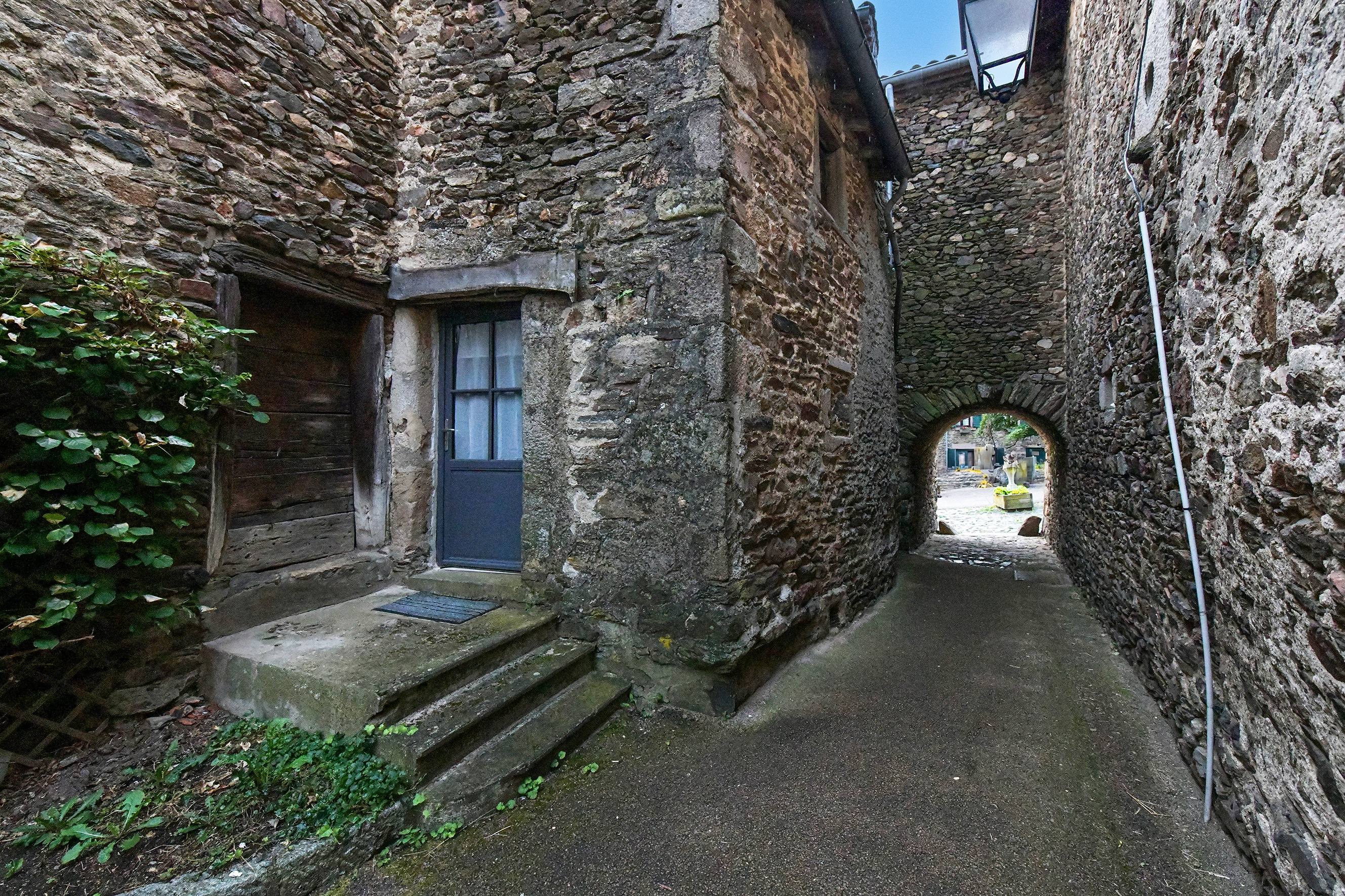
Covering 42 hectares, the town of Riverie, the smallest municipality in the Rhône, overlooks the Mornant plateau from a rocky spur at an altitude of 730 m. The town’s name is said to have two possible origins: - Riviria, from the Latin, indicating a location above a valley watered by a stream - Rippe, from the Celtic, referring to a steep, elevated place. The medieval town was organised in two parts: - The “upper” part, built in the 11th century, where a fortress protected by ramparts stood, was occupied by the nobility. - The “lower” part, surrounded by a second wall 1,100 metres long, comprised the town where the population lived, seeking the protection of the local lord. Four gates provided access. The site has been listed as a Historic Monument since 1945. A Remarkable Heritage Site since 2014, Riverie has been certified as a Petite Cité de Caractère® since 2017.
The medieval foundations of Riverie (1090–1590)
The first mention of Riverie dates from the 11th century: Adon de Riverie had a first fortress built, initially of wood and then of stone, in order to control the Sainte-Catherine pass linking the southern part of the Lyonnais (Rhône) to the mountainous plateaus of the Forez (Loire). In 1200, the seigneury passed by marriage to the Roussillon family, who ruled over the middle Rhône valley. Guillaume de Roussillon died in the Holy Land at Saint-Jean-d’Acre (Acre) in 1277. His widow, Béatrix de la Tour, founded the Charterhouse of Sainte-Croix-en-Jarez. The seigneury was raised to a barony in the mid-14th century under the rule of Aymar de Roussillon.
From the Renaissance to today (from 1590)
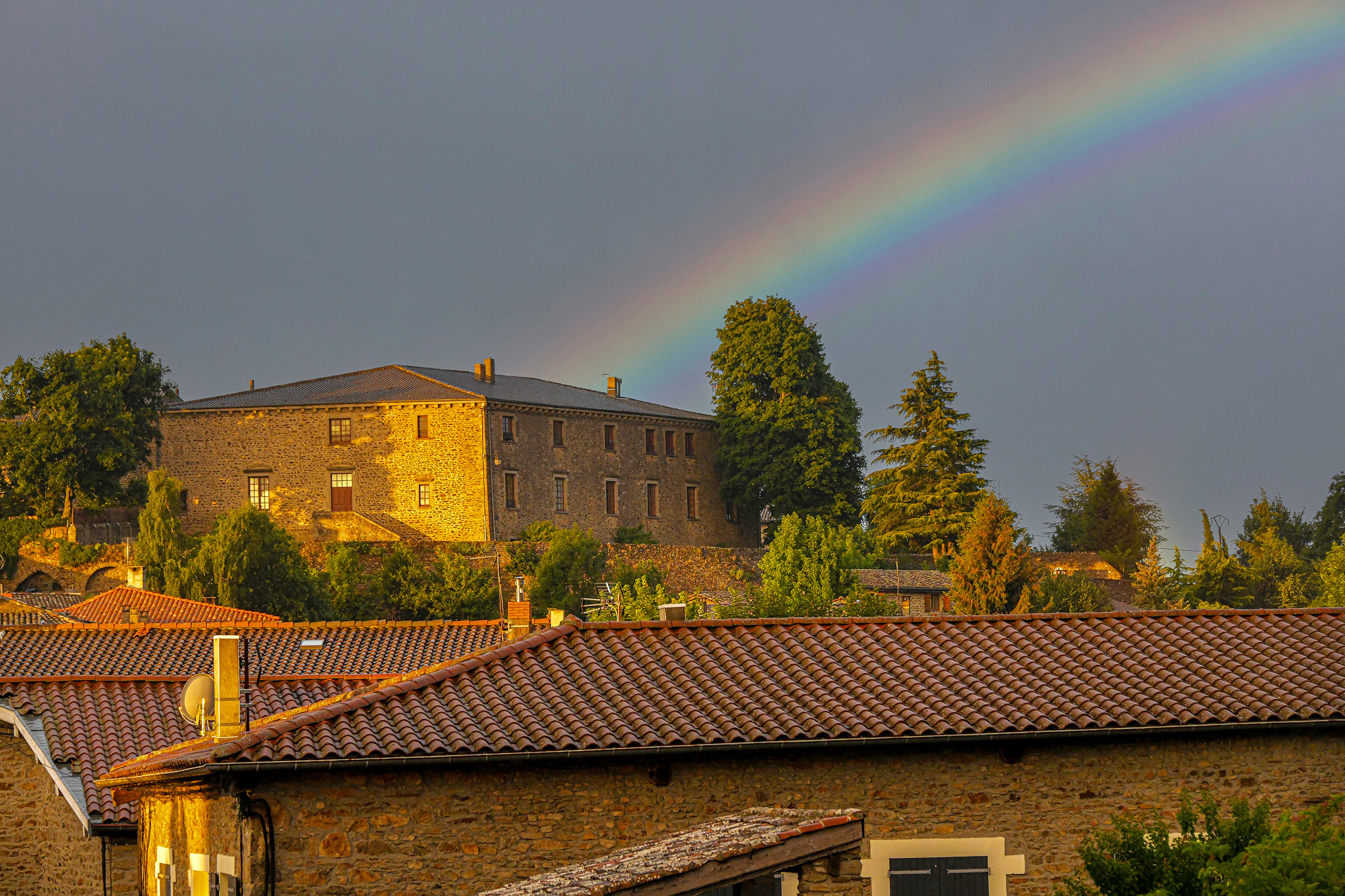
During the Wars of Religion, Riverie was besieged in August 1590. The castle was taken and completely destroyed by the Catholic League, representing the ultra-Catholic royalists of Lyon. It was rebuilt in its current form from 1600 onwards. In 1802 it was put up for sale and bought by seven different owners, then gradually bought back by the municipality. Until 1920, Riverie was a lively place with a flourishing local trade: five grocers, eight taverns and various craftsmen, including a butcher, a carpenter, blacksmiths-farriers and haberdasheries. After the Second World War, commercial activity declined and turned mainly towards tourism. A restaurant, a multi-service bar and guest rooms now welcome visitors.
Place du Marché (Market Square)
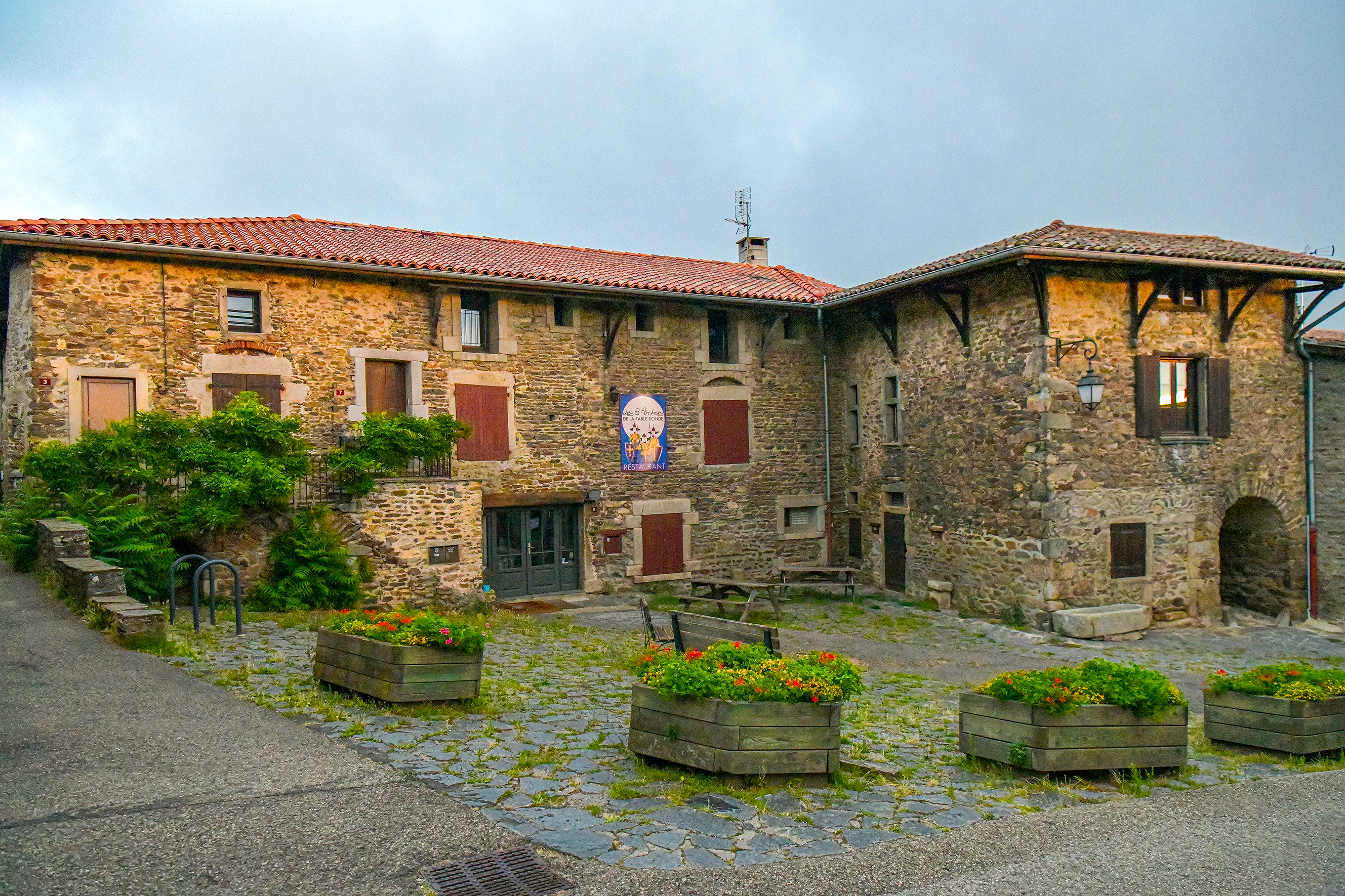
The restaurant has been housed since 1975 in a former hospital and hospice built around 1325. Run by the Order of St John of Jerusalem, or Hospitallers, it welcomed pilgrims on their way to Jerusalem; in Riverie, it gave shelter and care for the destitute and the sick. On the other side of the square, the former post office, renovated in 2025, has become the Espace Rencontre, a community and cultural centre hosting exhibitions by local artists from March to December, organised by the Patatr’Art association. To the left of the doorway is the coat of arms of the Grimod-Bénéon family, who ruled the barony from the late 17th century until the Revolution; the town adopted it in 1967. On the corner of the square and the Grande Rue stands the former bailiff’s house, recognisable by its balcony and square tower. The bailiff delivered justice and oversaw the administration on behalf of the lord.
Grande Rue (Main Street)
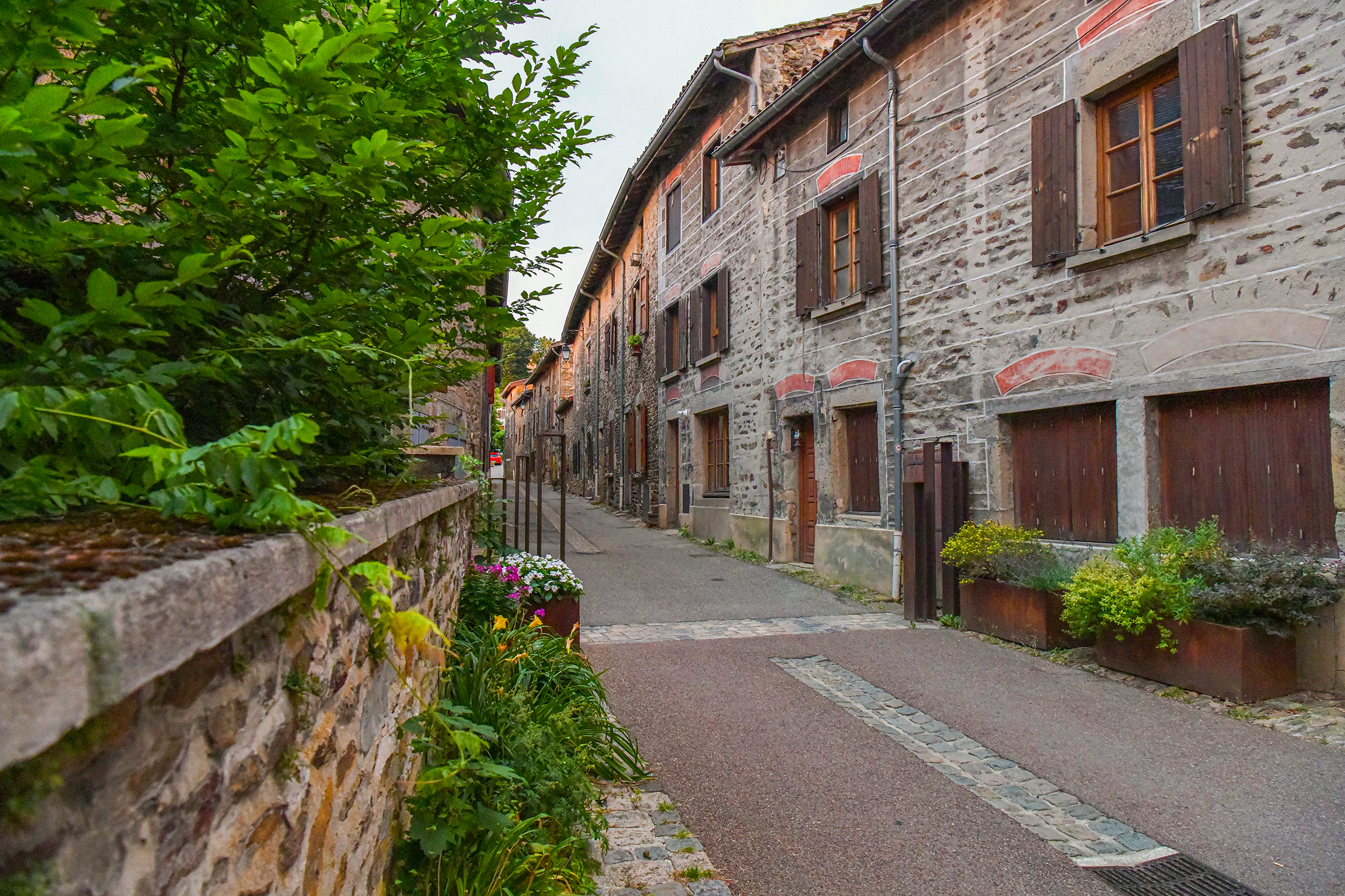
The Grande Rue is the town’s main street. On one of the houses is a white enamelled plaque. This was the birthplace of Antoine Vachez, president of the bar association, president of the Académie de Lyon and mayor of Riverie. In 1872 he published a book on the history of the barony of Riverie. The Vieux Logis, an 18th-century house, is recognisable by its imposing entrance porch and a parchment-shaped plaque. It was the home of the notary Maître Achard. His son, president of the Lyon court of appeal, took part in the trials of the Canut revolt — the silk weavers of Lyon who had risen up against their working conditions. Thirty-five notaries succeeded one another in Riverie from the Middle Ages until 1973.
Place de la Barre
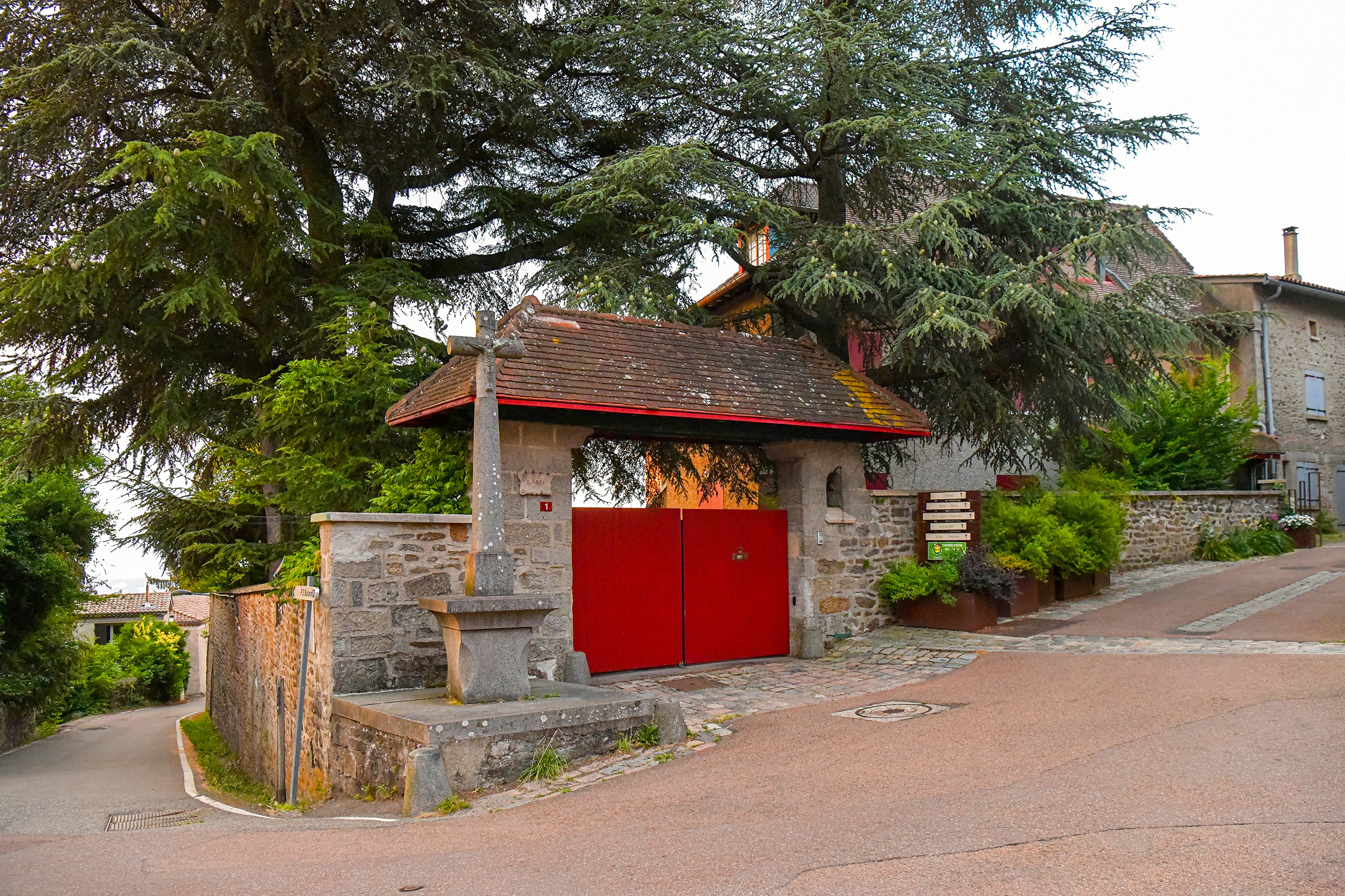
In the Middle Ages, access to the town was via a gate topped by a tower at the end of the Grande Rue. A toll booth stood here: travellers using the road had to pay a tax to the Lord of Riverie. The demolition of the gate in 1816 made it possible to widen the street. The ‘l’Abri’ property is the former residence of Marcel Pupier, whose family established the first industrial chocolate factory in Saint-Étienne in 1860. The cross in front of the house is a replica of the cross on Mont Musard; the granite used to make it comes from a quarry in Noirétable. It was here that ‘Le Grand Quinson’, whose real name was Jean-Claude Fillon, proclaimed his prophecies between 1780 and 1830. This visionary had notably predicted that, when a large cross were to be erected at the summit of Le Signal in Saint-André-la-Côte, a terrible war would break out: this was the First World War of 1914–1918.
Rue Morte (Dead Street)
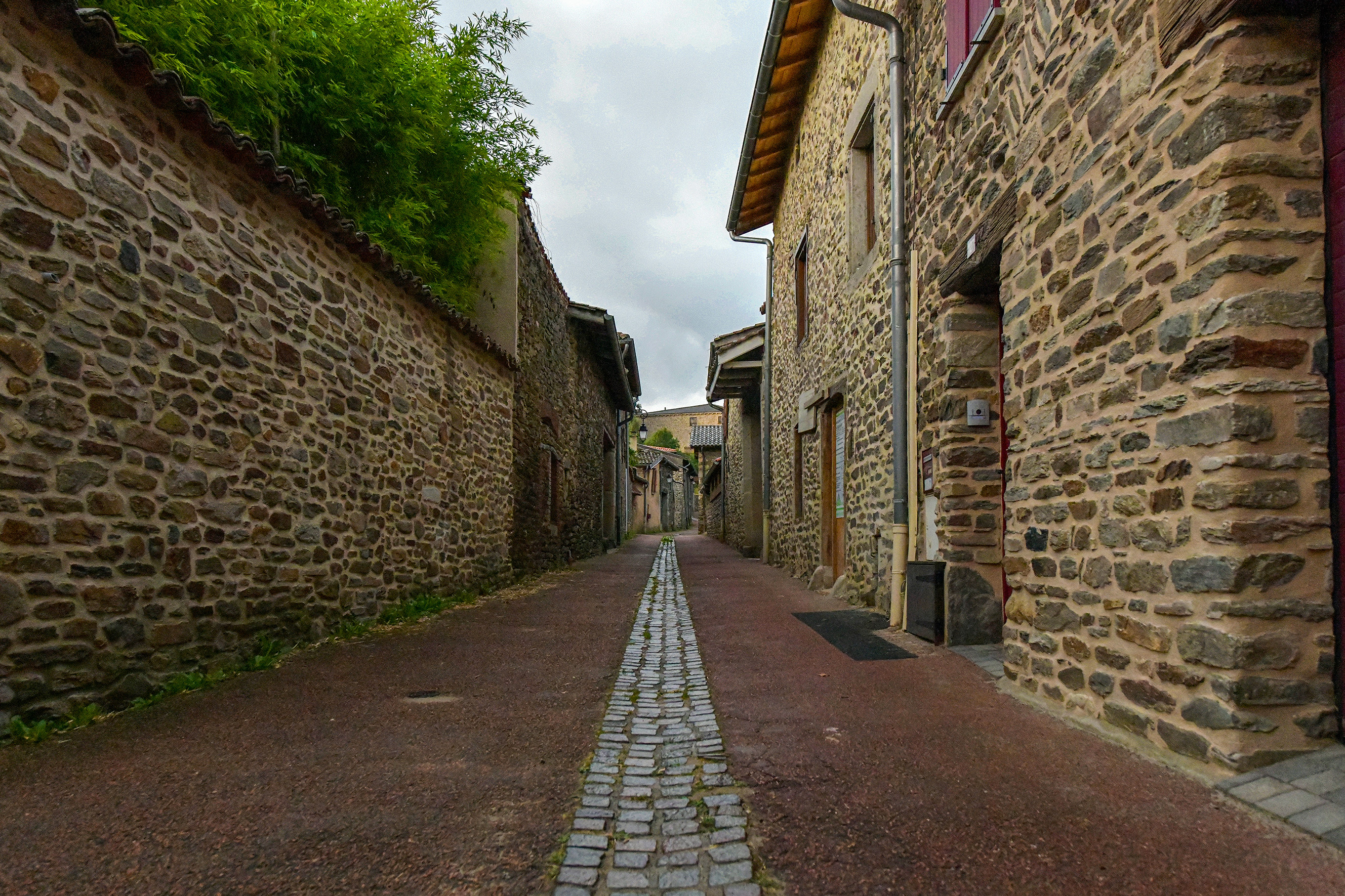
At the start of the street, the row of houses on the right-hand side runs right up against the old rampart that formed the second defensive wall. At the corner of the street, the view opens out towards the first line of ramparts, dominated by the castle. The name of this street recalls a tragic episode. At the end of the 16th century, amid the Wars of Religion, Antoine Camus, Baron of Riverie, declared himself a supporter of Henri de Navarre, heir to the throne and a Protestant prince the Catholic League refused to recognise. On 8 August 1590, on the orders of the Consulate of Lyon, allied with the League, the siege of the stronghold began. After the royalist garrison defending the castle fled during the night of 11–12 August, the League forces took the town. The male population who remained were massacred and buried in a mass grave which, according to tradition, lies beneath this street.
Grande Rue du Suel
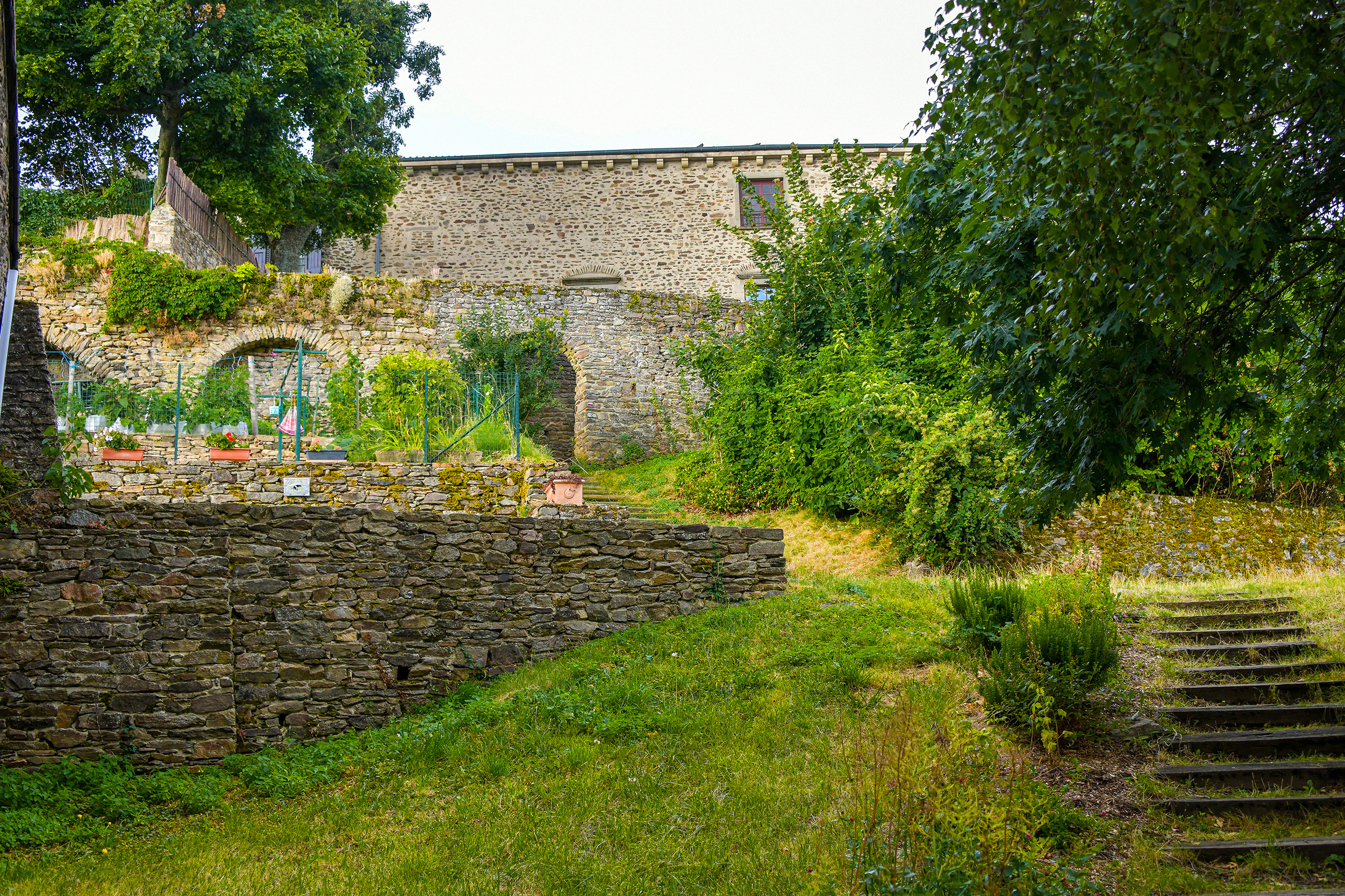
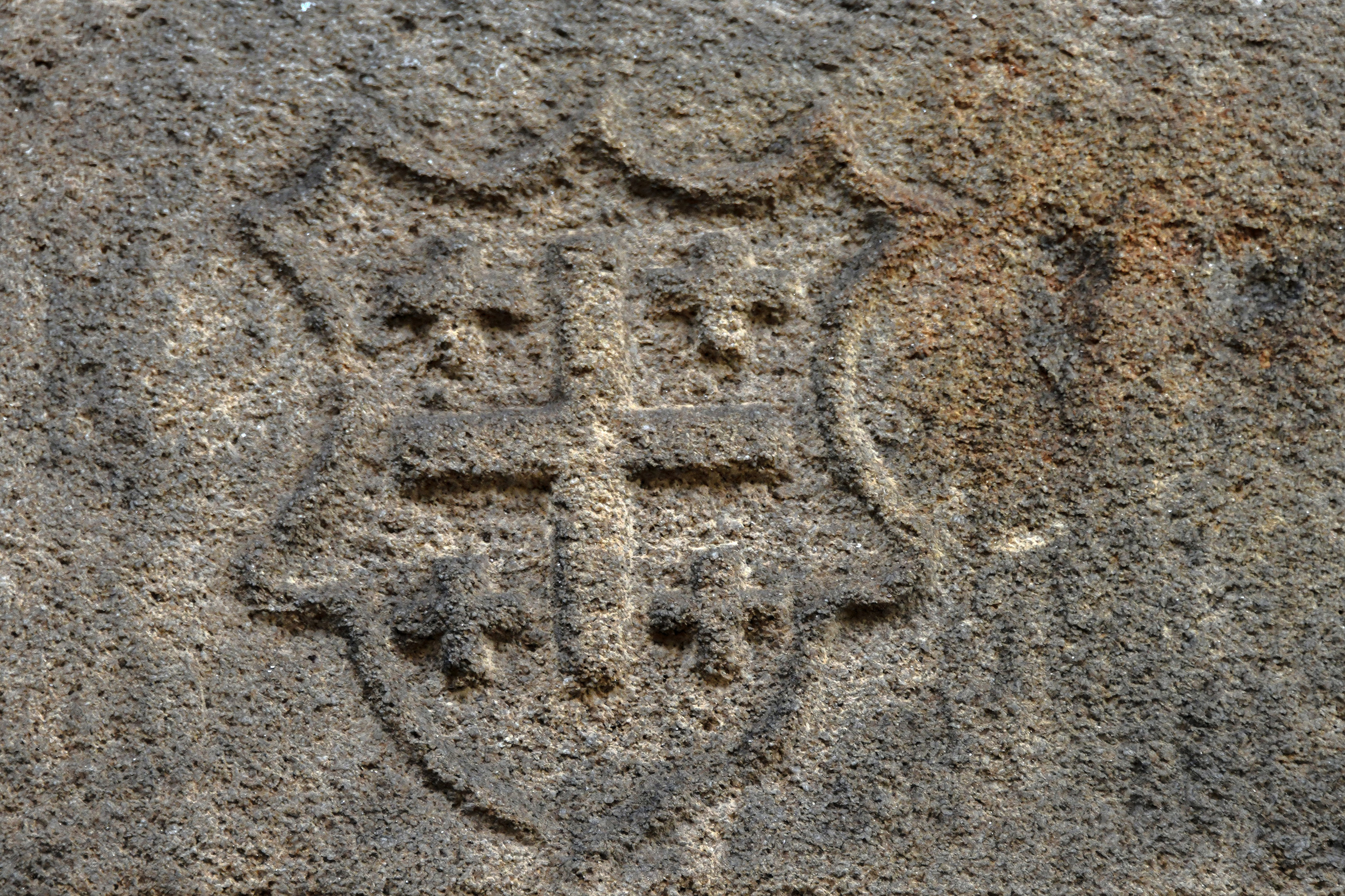
On the corner of the house overlooking the square, a plaque on the wall of the former covered market recalls that this was the site of the barony’s courthouse, dungeon cells and prison. On the other side of the street, in the wall at the corner of the building housing the restaurant, above a doorway that is now walled up, is a coat of arms depicting a “cross potent or, cantoned with four crosslets” — originally the arms of the Kingdom of Jerusalem and later of the knights of the Order of the Holy Sepulchre.
Church of Saint-Paul and the Seneschal’s House
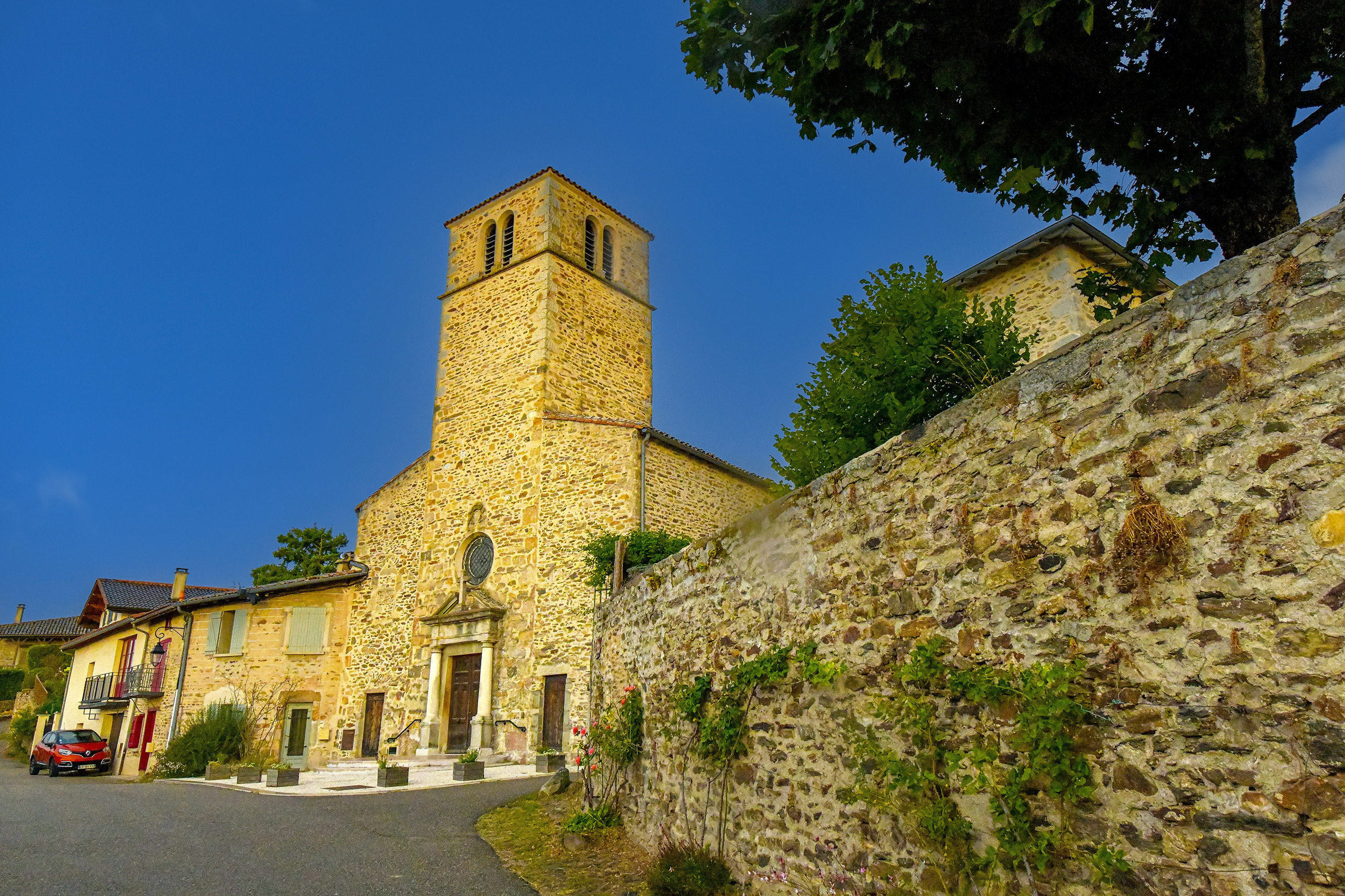
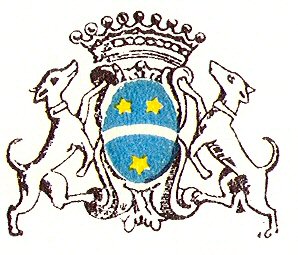
Originally the chapel of the lord of Riverie, the church was restored in 1692 by Baron Grimod-Bénéon, who moved the entrance from the west to the east side to open it to the people. Above the main entrance door is his coat of arms, framed by two greyhounds and dated “1693”. The church holds a photograph of a reliquary arm containing fragments of the humerus of Saint Ursula, given in 1509 to Baron Claude Laurencin by Anne de Beaujeu, daughter of Louis XI. Damaged by lightning in 1885, the bell tower was raised in 1894 to accommodate a third bell, then renovated along with the façades in 1985. Facing the church, the former seneschal’s house housed from 1749 the Sisters of Saint Joseph, a congregation founded in 1744 to instruct poor girls and visit the sick. A boarding home for children and elderly nuns was created there in 1925. Since 1959, it has been a children’s home.
The Castle and its Terrace
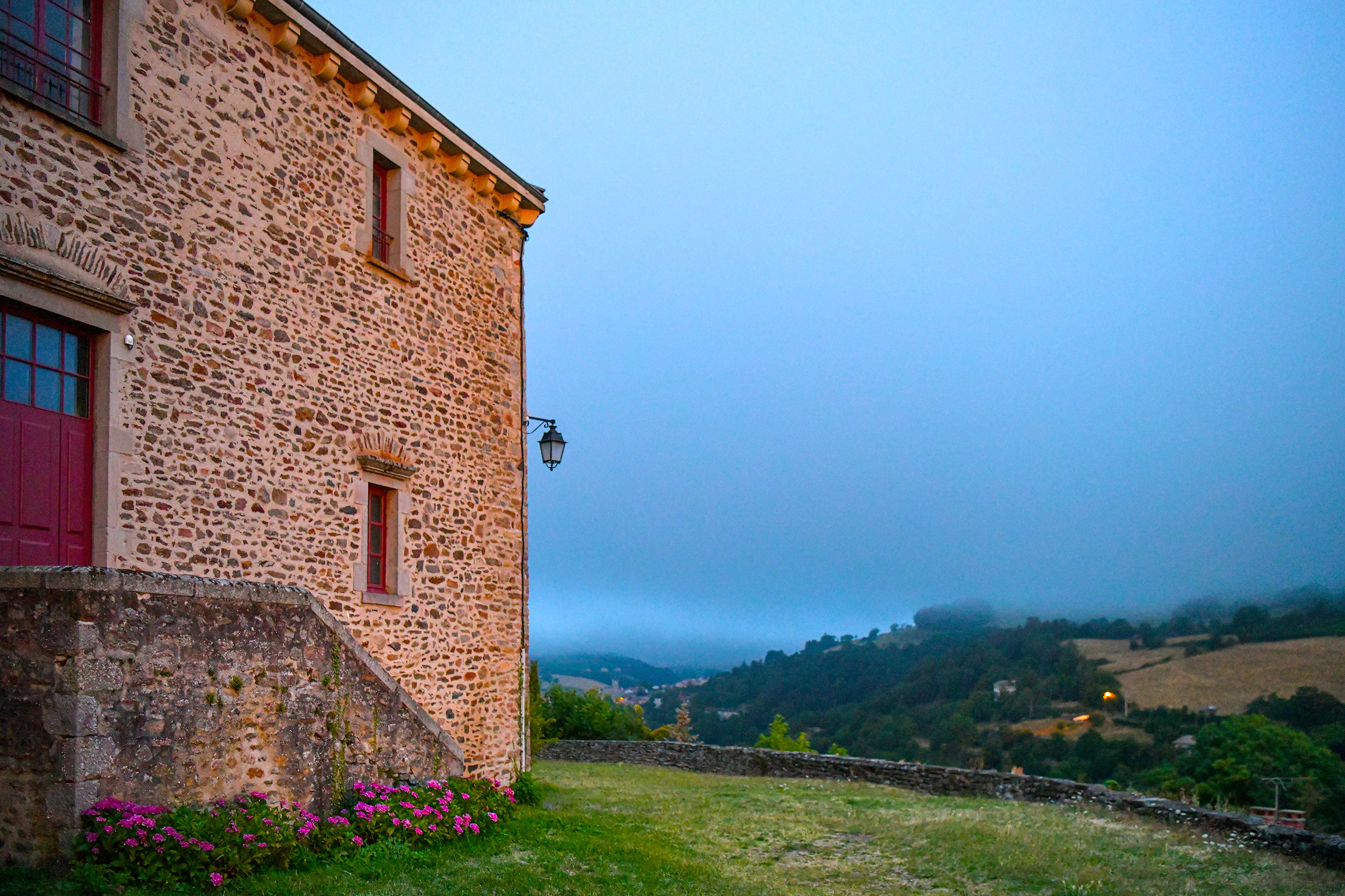
Located within the town's first wall, the terrace offers a panoramic view of the Monts du Lyonnais and Sainte-Catherine ridges. A lime tree was planted here in 1595 at Sully's request to symbolise the return of peace, and survived until 1998. The rooftops of the lower town form a landscape listed in the inventory of sites since 1932. Built in the 11th century as a fortress, the castle belonged to the Roussillon, Thoire-Villars, Dukes of Bourbon and Claude Laurencin, before being rebuilt in its current form by Antoine Camus; the barony was bought in 1673 by the Bénéon family. Acquired by the municipality between 1880 and 1963, it has been under restoration since 1947. The "Rivériades" medieval festival, first held in 1961 and revived in 2013, takes place every two years. The west wing houses the town hall, school, village hall and library; the north wing, a bed and breakfast.
Place du Mont Musard
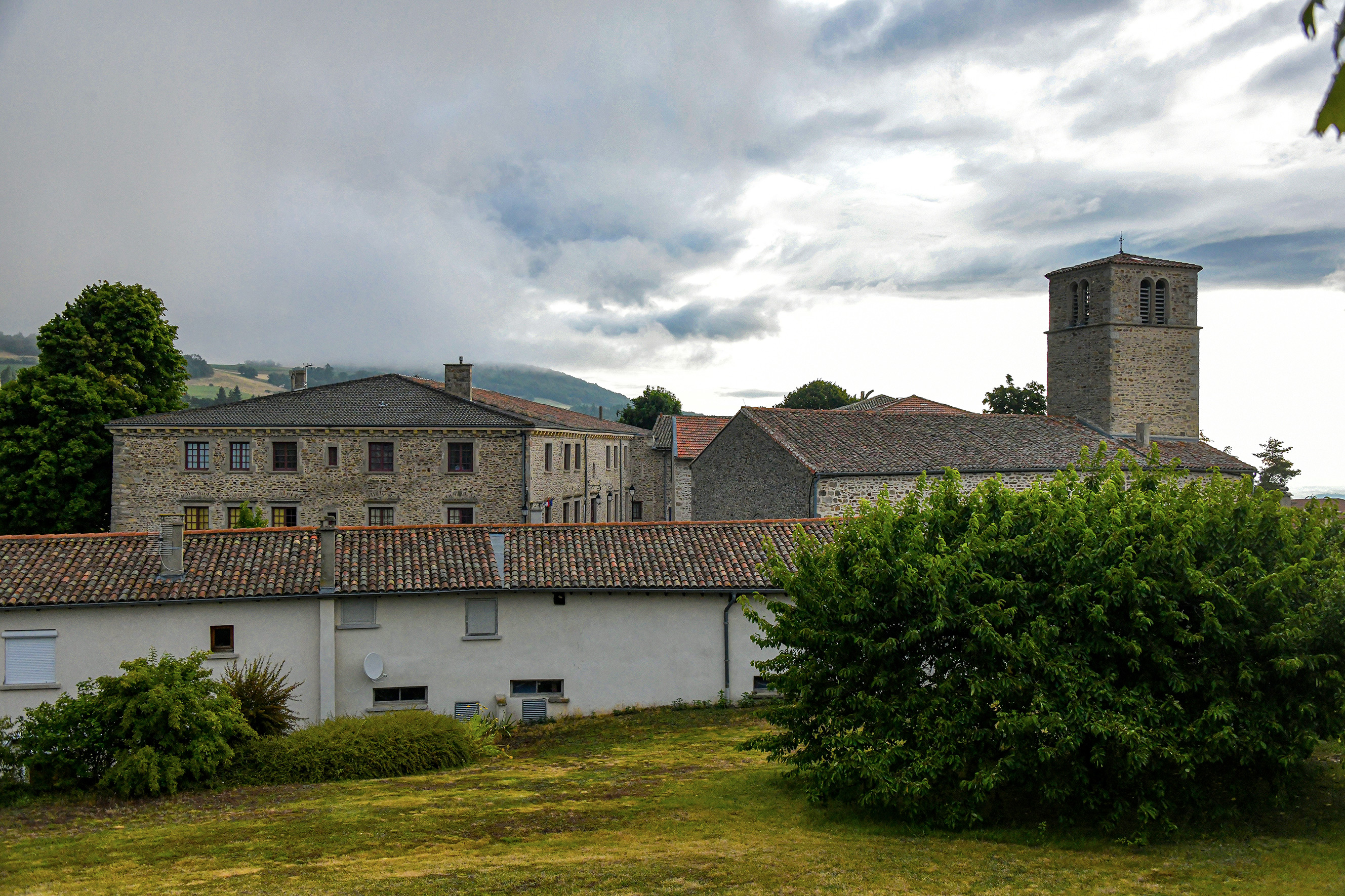
The view from Mont Musard, the highest point at an altitude of 734 m, allows you to make out the upper part of the town, made up of the castle, the church and the Châtel quarter — “Chastel” meaning “castle” in Old French.
Chemin de Ronde (Rampart Walk)
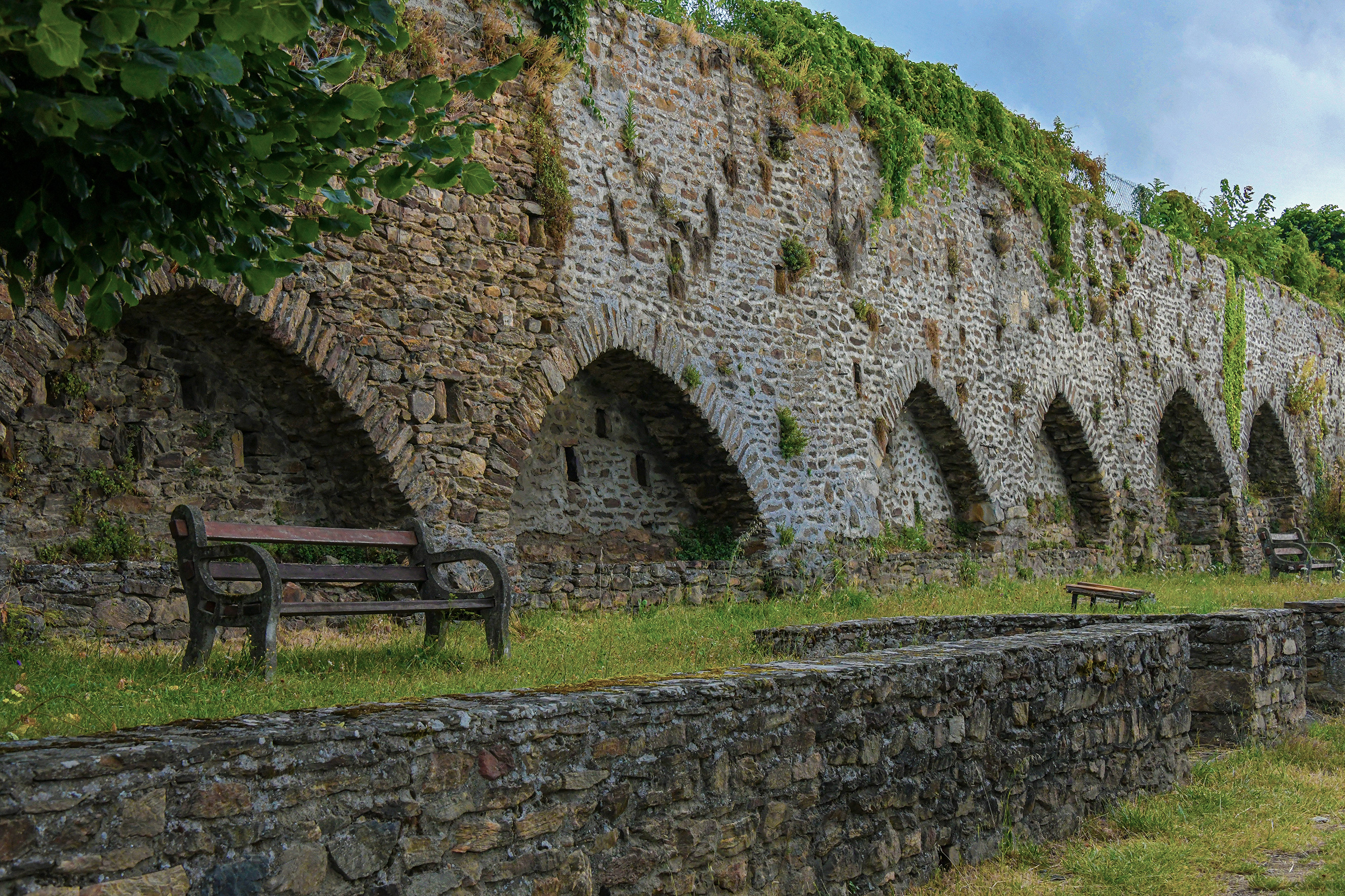
Leaving the Châtel quarter and walking down to the intersection with the rampart walk, you reach the site of the former “Châtel gate”. The Chemin de la Vazette leads to the “Les Roches” climbing site below the town. To the left of the intersection, the Chemin de Ronde is supported by a stone wall representing the first enclosure of the feudal town. On the horizon, the view stretches to the Pilat massif and part of the Alps. Turning right, the Chemin de Ronde reaches another intersection overlooked by a hundred-year-old maple: the “shoemakers’ tree”, under which, from the 1880s onwards, the shoemakers working in Riverie would debate their working conditions and wages.
Orientation Table
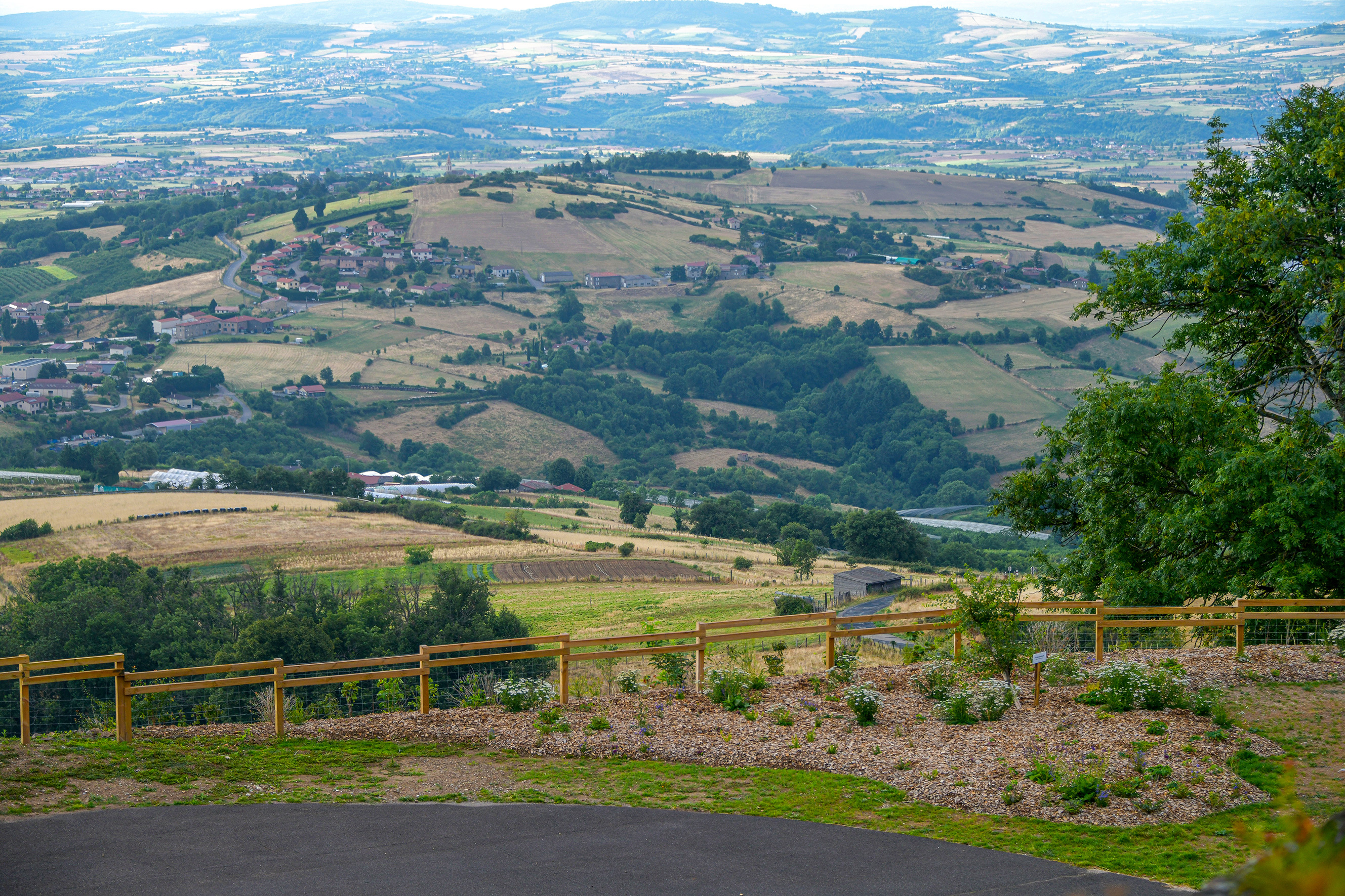
The orientation table was installed in May 1995 by the Communauté de Communes du Pays Mornantais. On a clear day, the view stretches as far as the Col de la Faucille (Jura), the Mont Blanc massif and the mountains of the Diois. From this spot, migratory birds can be observed. To the right of the village of Saint-Didier-sous-Riverie, on the Peu hill, stood the barony’s gallows, where those condemned to death were hanged and left in full view of all, as a display of the baron’s right of justice.

Ce projet de carte interactive est porté par les associations Petites Cités de Caractère® de France, Petites Cités de Caractère® en Auvergne Rhône Alpes, et par la commune de Riverie.
Il est soutenu financièrement par la convention FNADT du Commissariat Massif Central, par l'appel à projet « patrimoine et numérique » de la Région Auvergne Rhône- Alpes.
Le plan de la commune (visuel de fond) a été réalisé par Laura Catheline - atelier passage.
Les traductions en anglais ont été réalisées par MAURY Léo.
Les photos ont été produites et réalisées par Fabrice Schiff du Conseil Départemental du Rhône
Les vidéos ont été produites et réalisées par Petites Cités de Caractère®
Conception et développement de la carte interactive par Tabula Rasa.

Ce projet de carte interactive est porté par les associations Petites Cités de Caractère® de France, Petites Cités de Caractère® en Auvergne Rhône Alpes, et par la commune de Riverie.
Il est soutenu financièrement par la convention FNADT du Commissariat Massif Central, par l'appel à projet « patrimoine et numérique » de la Région Auvergne Rhône- Alpes.
Le plan de la commune (visuel de fond) a été réalisé par Laura Catheline - atelier passage.
Les traductions en anglais ont été réalisées par MAURY Léo.
Les photos ont été produites et réalisées par Fabrice Schiff du Conseil Départemental du Rhône
Les vidéos ont été produites et réalisées par Petites Cités de Caractère®
Conception et développement de la carte interactive par Tabula Rasa.