

Besse
Auvergne-Rhône-Alpes, Puy-de-Dôme
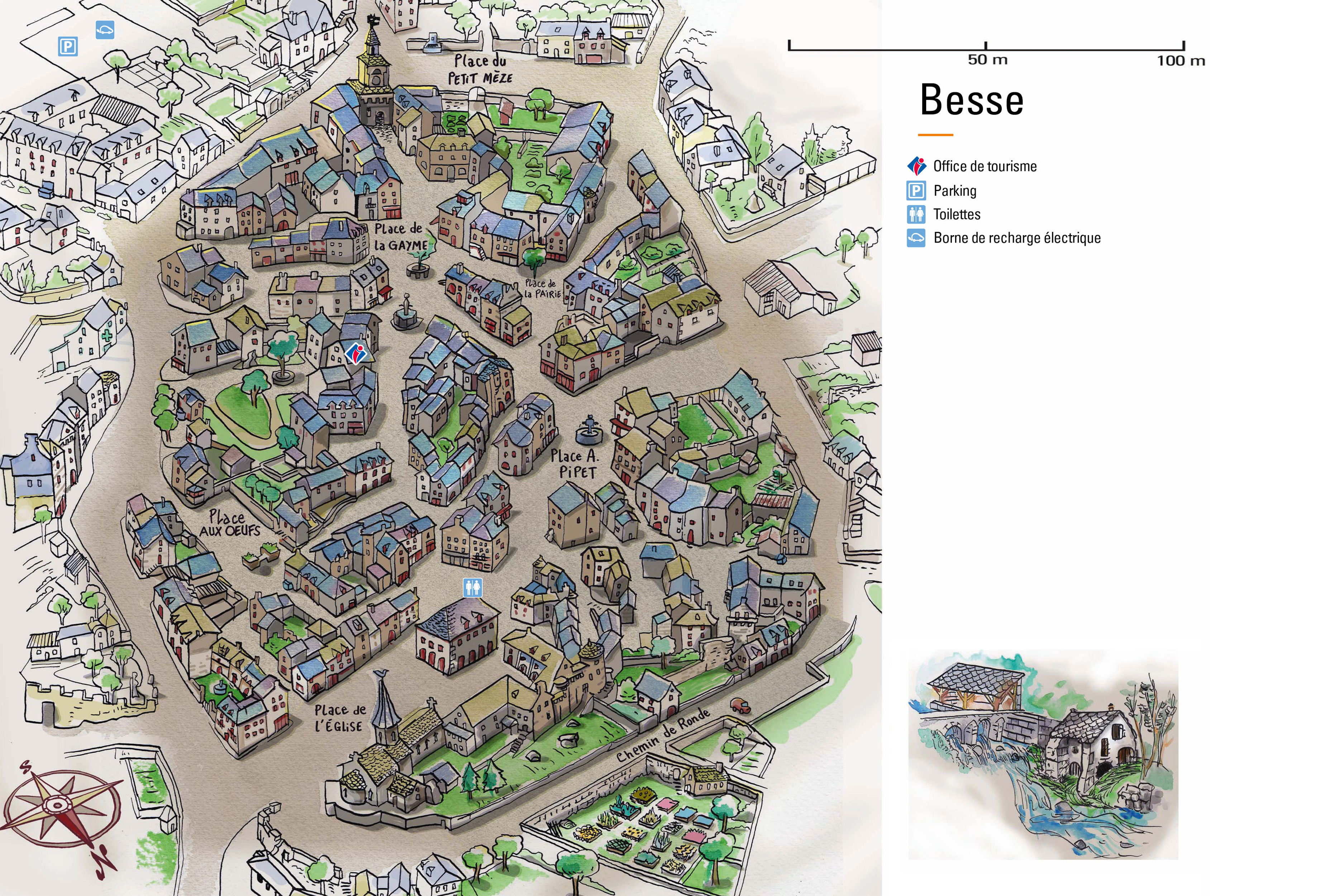
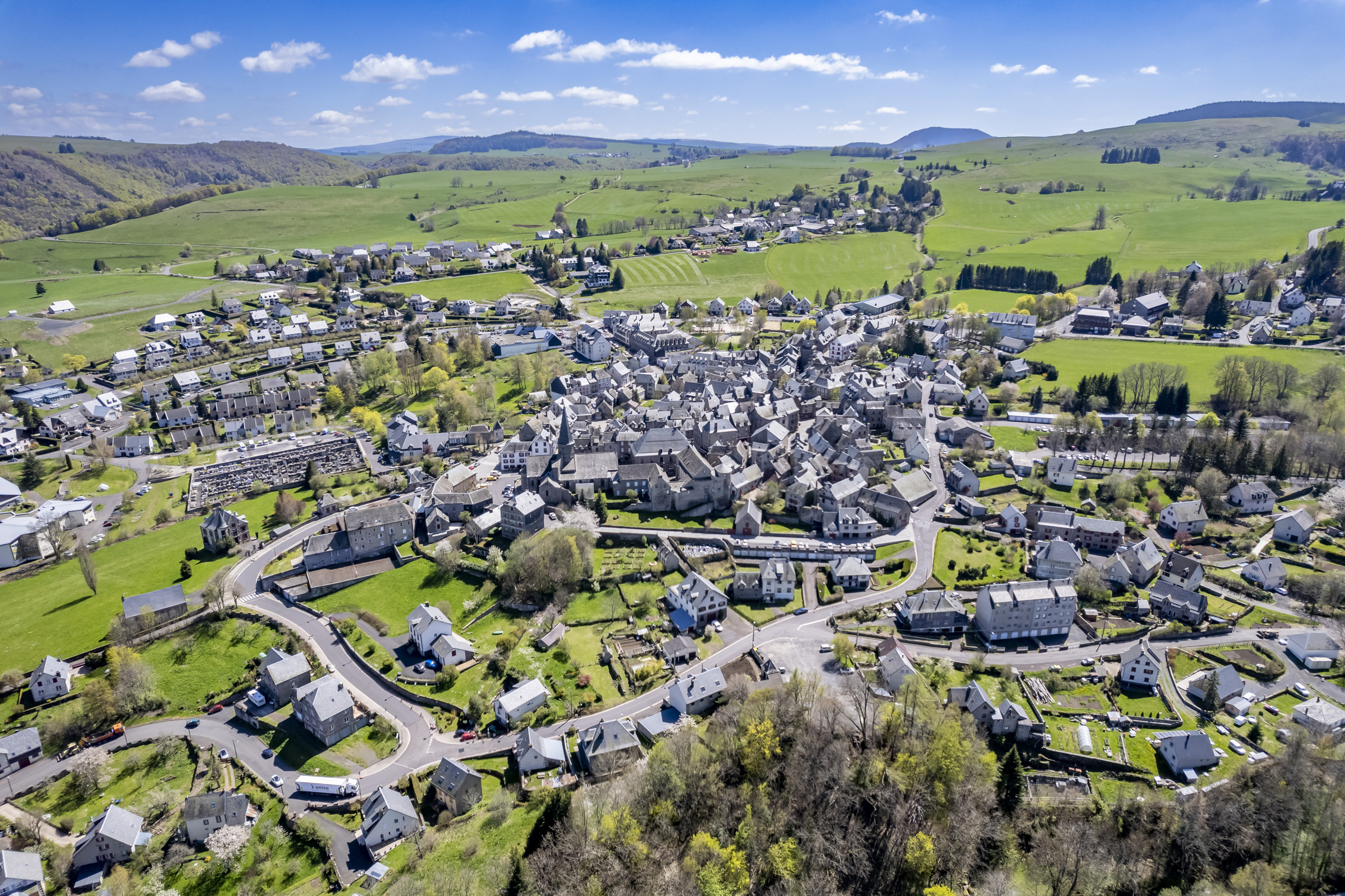
Besse, Petite Cité De Caractère®
Besse is designated Petite Cité de Caractère®. As such, it forms part of a national project aimed at promoting and protecting the architectural heritage of little towns across France. Through tourism, the initiative encourages visitors to embrace the local culture by strolling through the streets, learning about the history of the area, taking part in local events, and discovering the local way of life. In Puy-de-Dôme, there are several Petite Cité de Caractère® little towns to discover. The digital map will help you navigate each of them and highlight their main attractions.
Presentation
Saint-André Church
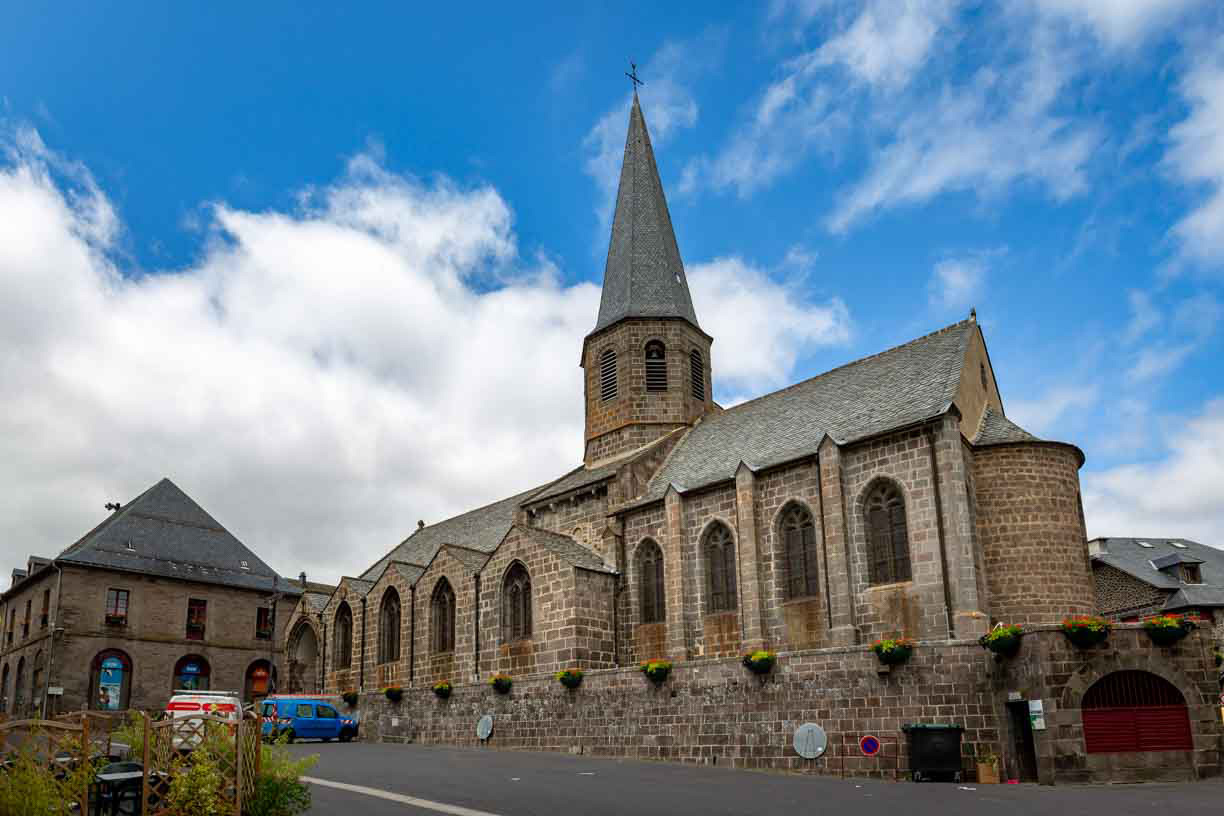
The church was built between the 11th and 12th centuries on a lava flow that also provided the stones for its construction. The Romanesque church was modified several times, with the addition of a Gothic choir in the 16th century, as well as a porch and side chapels in the ogival style in the 17th and 18th centuries. During the French Revolution, however, its apse and bell tower were demolished. Inside, there are architectural treasures, including 12th-century decorated capitals, 16th-century wooden stalls, and the Black Madonna of the Chapel of Notre Dame de Vassivière.
Enclosed Garden
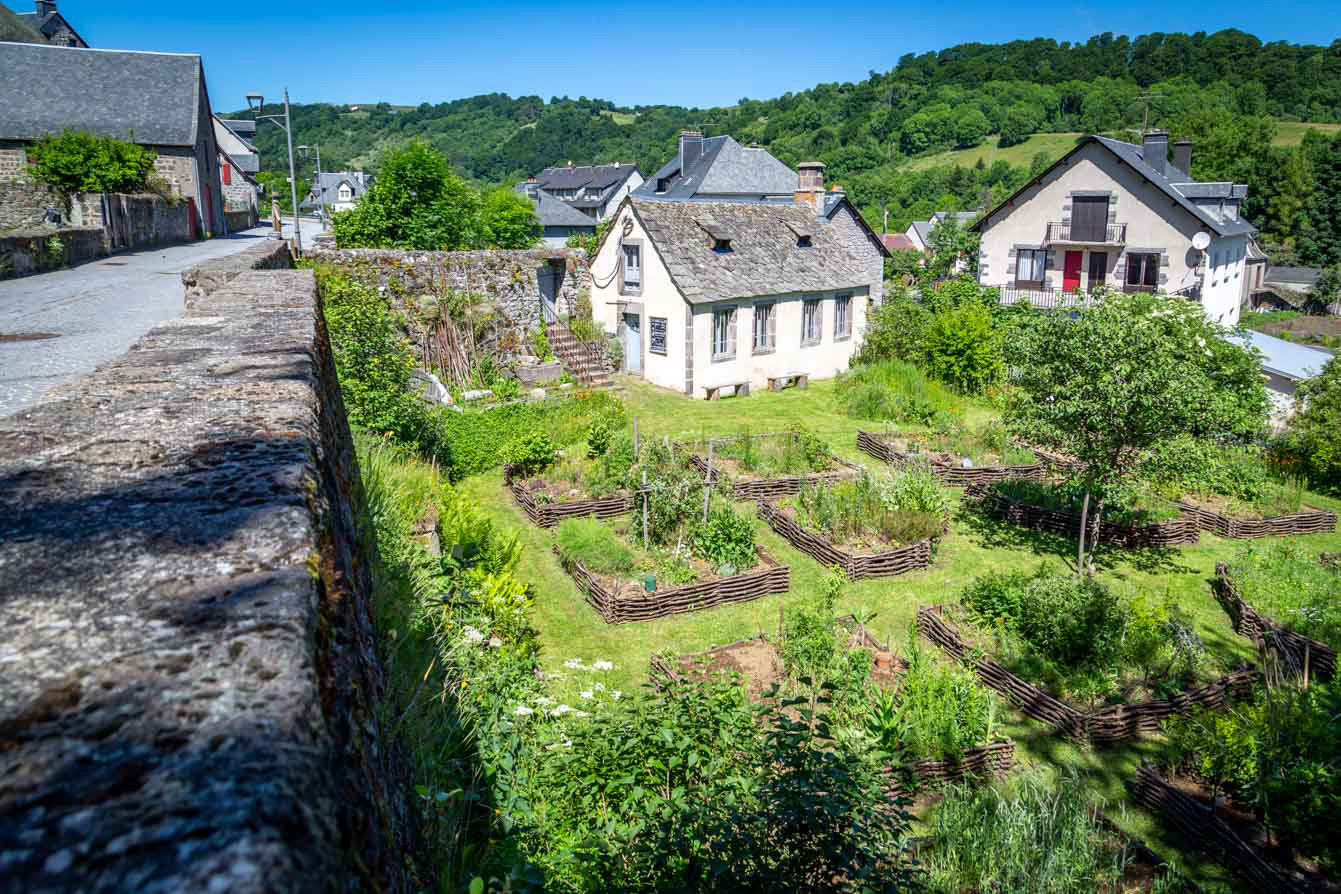
The city walls, which had become costly to maintain and useless, were divided up by the new lord of Besse in the 17th century, the Count of Broglie. He sold the plots at the foot of the old fortifications to the inhabitants, who turned them into gardens. Behind the garden's four walls a small staircase and a pavilion with a pyramidal roof that serves as a garden shed can be seen. The enclosed garden is currently arranged like the herb gardens of medieval monasteries. It showcases the characteristic flora of the Sancy region, including local, protected, toxic, beneficial and aromatic species from Saint-Nectaire.
Bailiff's Castle
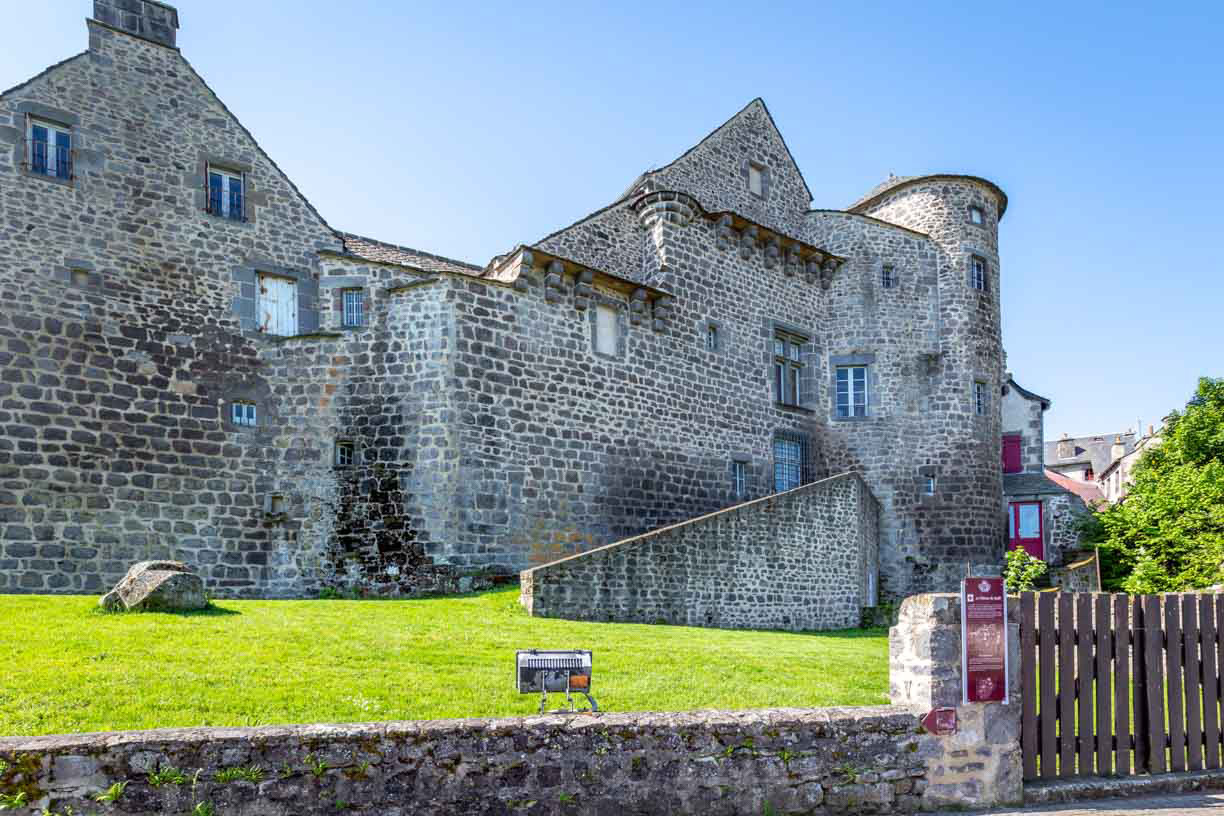
Once the residence of the lord's representative, it was built around the 15th century. The castle is built into the ramparts, however, only the façade, the roof, the tower and some defensive elements remain. The title of bailiff was purchased by the wealthy families of the town from the lords of La Tour d'Auvergne. The bailiff's duties included collecting taxes, administering justice, and ensuring the safety of the inhabitants.
Fortifications
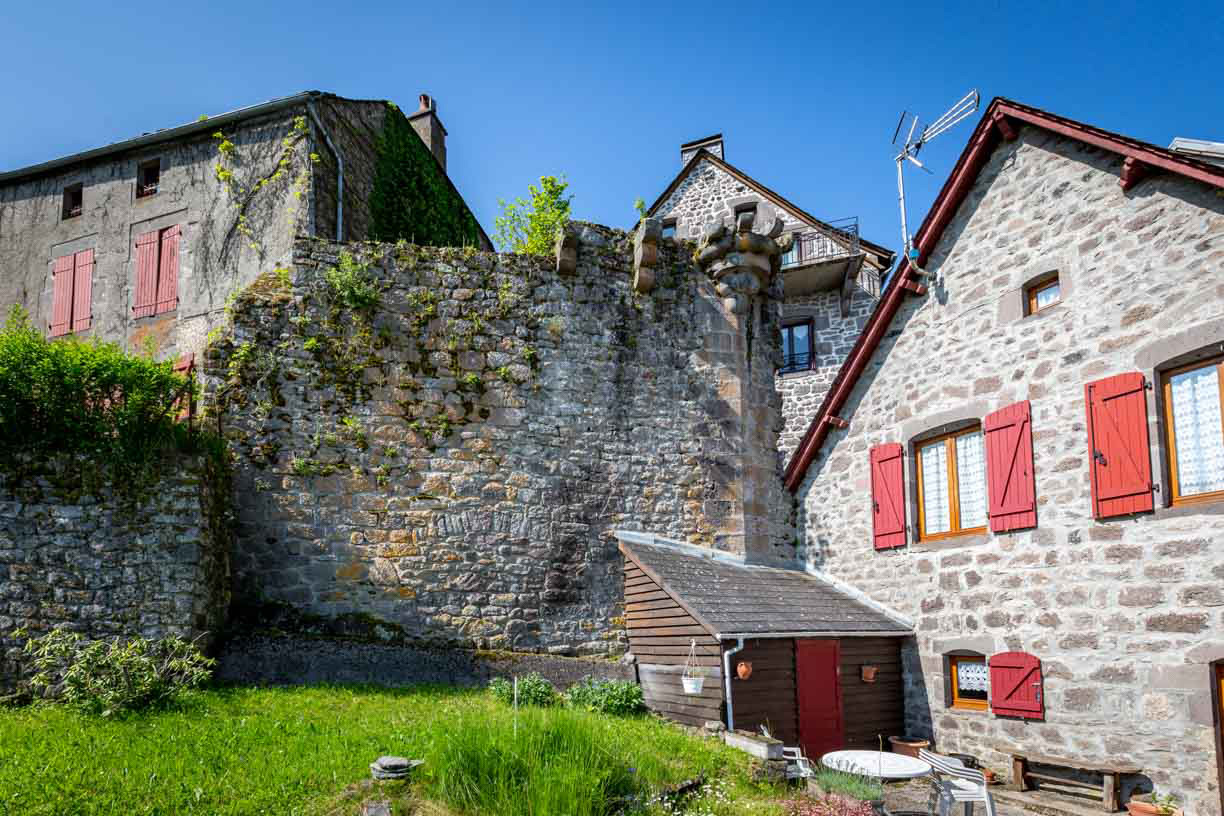
The construction of the fortifications was a response to the instability brought on by the Hundred Years' War. King Charles VII authorised its construction between 1436 and 1449. A rendering of the fortifications can be found in the Besse-en-Chandesse land register and was commissioned from Antoine Godivel, a royal notary, in 1575. The rampart was up to six metres high and featured six towers with defensive elements. In the 17th century, the rampart was sold off in sections, and its stones were used to build enclosed gardens and orchards.
Belfry
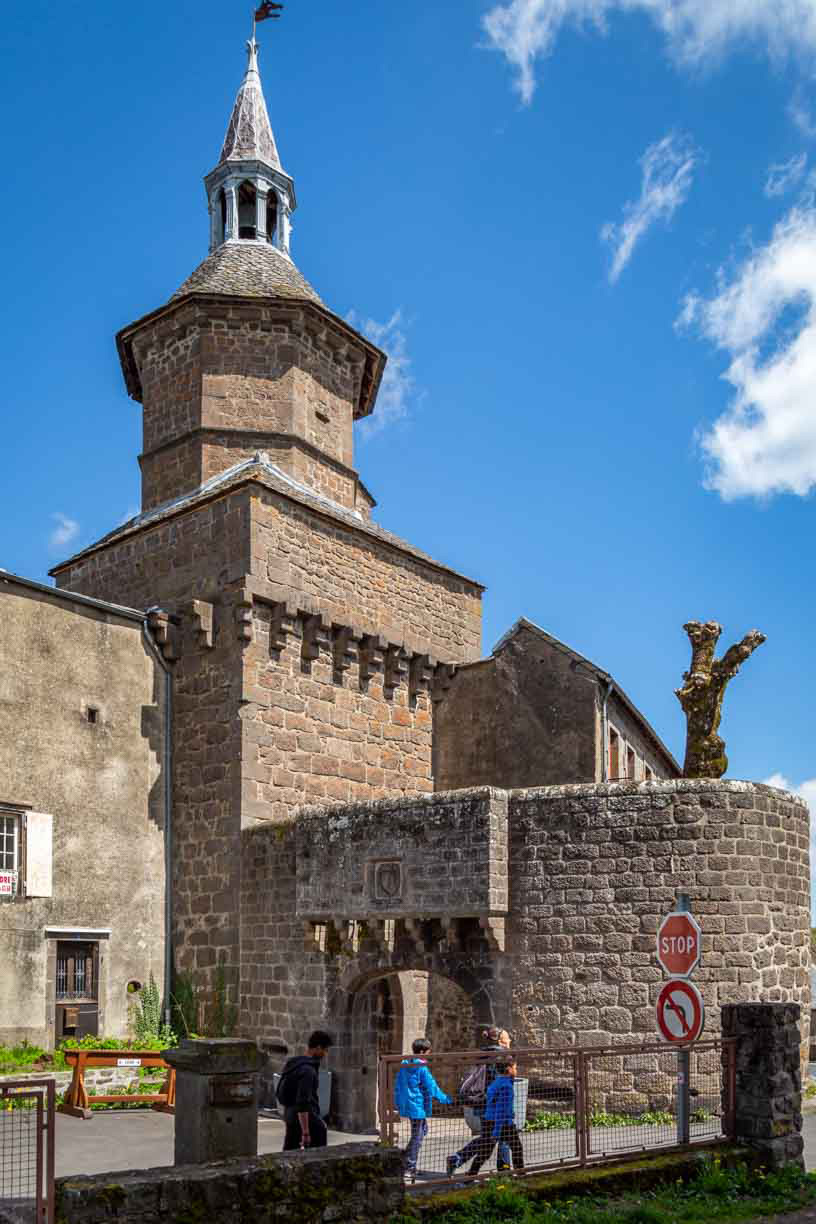
This gate, which is the last intact gate in the ramparts, was used to control individuals and goods entering the city. An example of 15th-century military architecture, the barbican protecting the gate. A spiral staircase provides access to lodgings and the guard room in the square tower. The tower is adorned with a clock and a lantern featuring a wolf-shaped weathervane, which is the symbol of Besse and is associated with a legend where wolves alerted the population and saved them from an attack by brigands. The origin of this legend is said to be from the 19th century, when it was created to promote tourism.
Queen Margot House
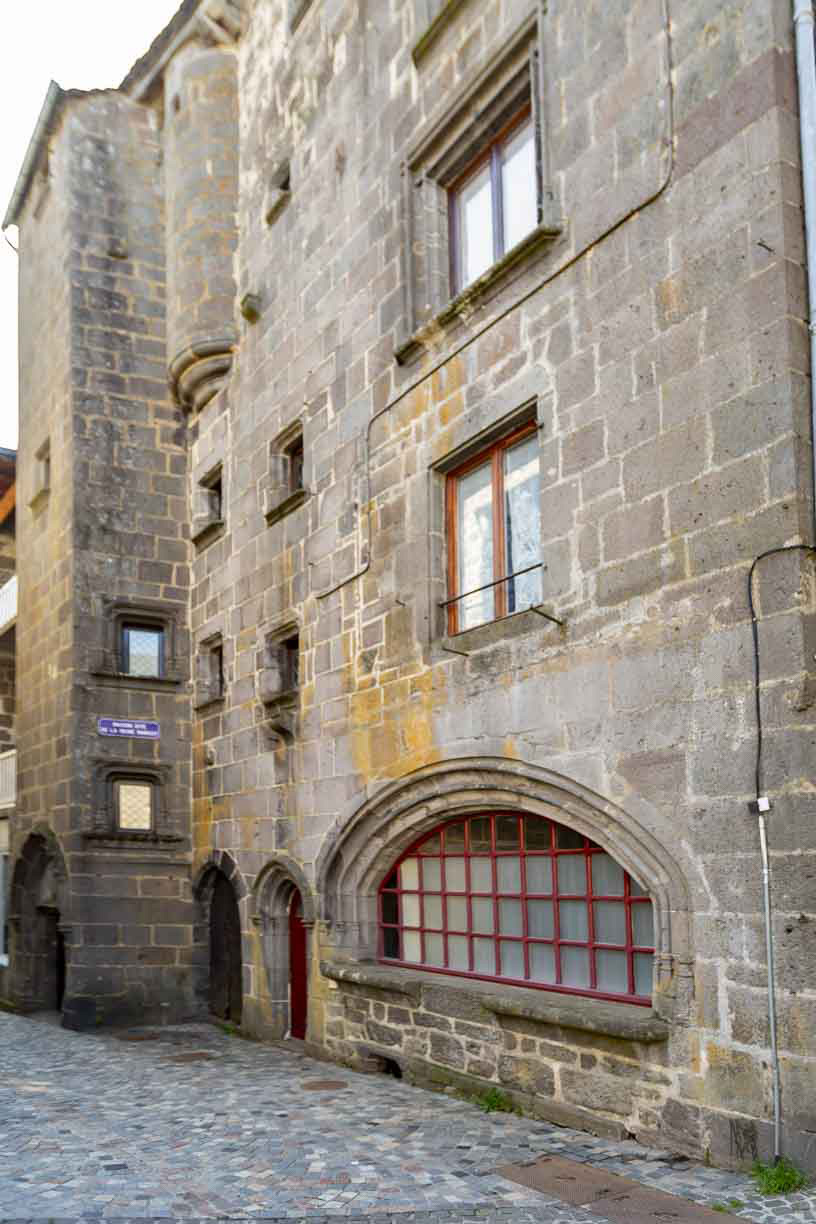
The building, representative of 15th-century medieval housing, is connected to the legend where Marguerite de Valois may have lived here while fleeing her brother, King Henry III. Despite the extravagant architecture, it is unlikely that a princess of royal blood would have lived here and was also part of a 19th-century legend invented to boost tourist appeal. Details such as a door adorned with a pointed arch shaped like stone lace and an overhanging watchtower, both topped by turrets, testify to the owner's wealth. Today, the building houses the Ski Museum.
Old Broglie Hospital
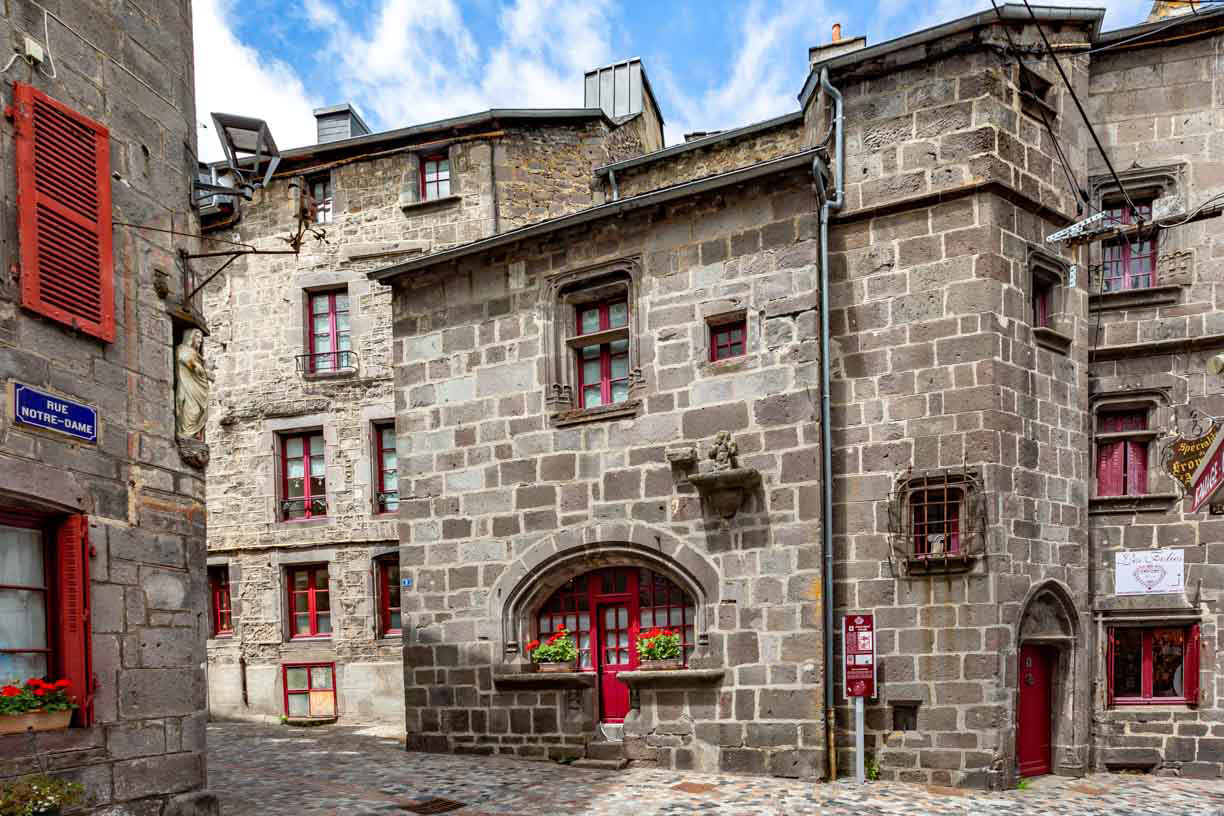
This 15^(th)-century shop was converted into a hospital for the poor in the 17^(th) century by Marie de Lamoignon, wife of Victor Maurice de Broglie. The establishment of hospices was one of the duties devolved to the nobility to ensure their salvation in the afterlife. Authorisation was granted in 1715 by King Louis XIV. The local bishop reported in 1780 that the hospital had eleven beds administered by eight sisters from the Congregation of Saint Joseph. The townspeople employed a doctor to provide medical care for hospice residents.
Consuls' House
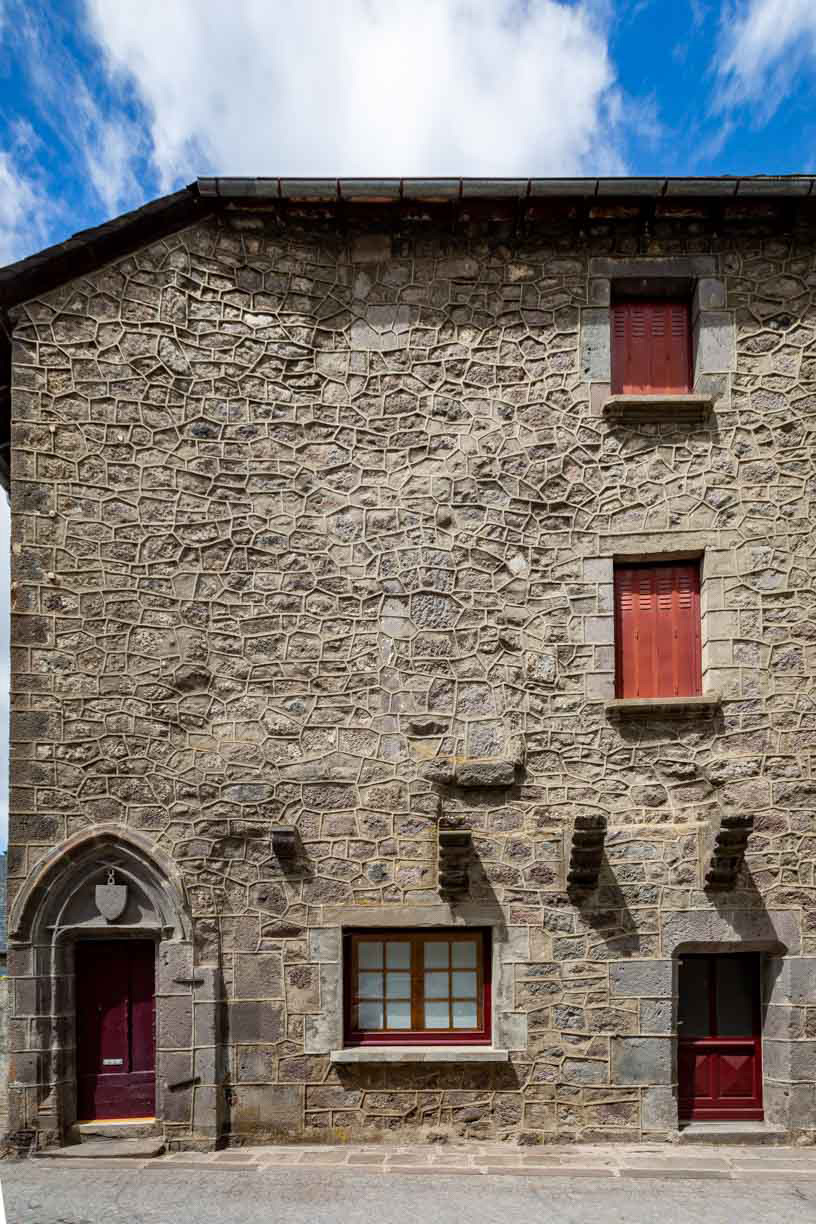
The city was composed of an urban bourgeoisie, including merchants, artisans, lawyers, and men of letters. The Consuls' House was made up of two buildings that were once connected by a portico. It housed the consular hall, where the magistrates met. The corbels that supported the floor are the only remaining vestiges. The staircase door, with its stone arch, is decorated with a now faded coat of arms. The two consuls were elected by an assembly of wealthy merchants to organise the town's economic and political life.
Squares and Fountains
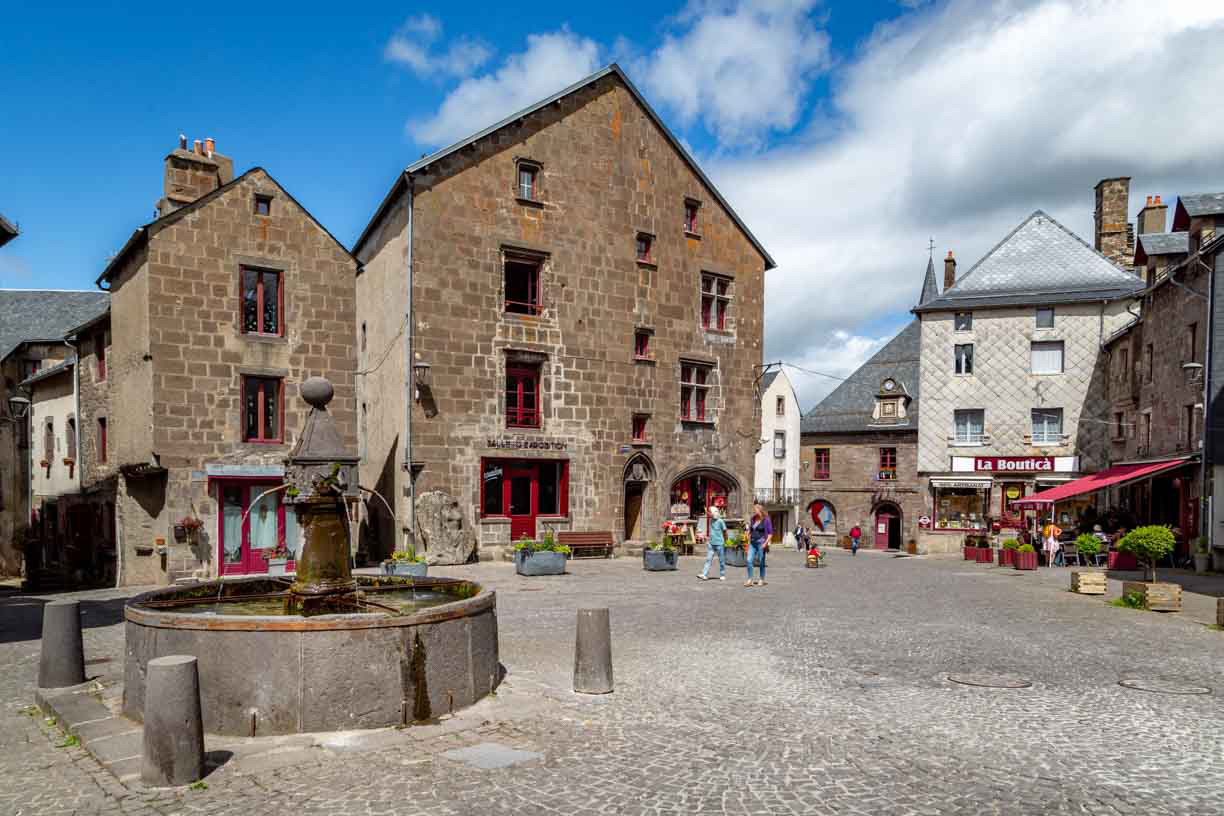
The two large squares in the centre of the town reflect Besse's economic importance in medieval times. Docteur Alfred Pipet Square was centred on the wheat trade, while Place de la Gayme on the cheese trade. Fountains, first documented in 1579, grace these public spaces. They are built from 'Besse stone', a volcanic rock with distinctive colour variations. One fountain has an octagonal basin (redesigned in the 20^(th) century), while the other is round and dates back to the Middle Ages. Both fountains are decorated with plant motifs, and the fountain in Pipet Square also features depictions of jovial figures.
Medieval Shops
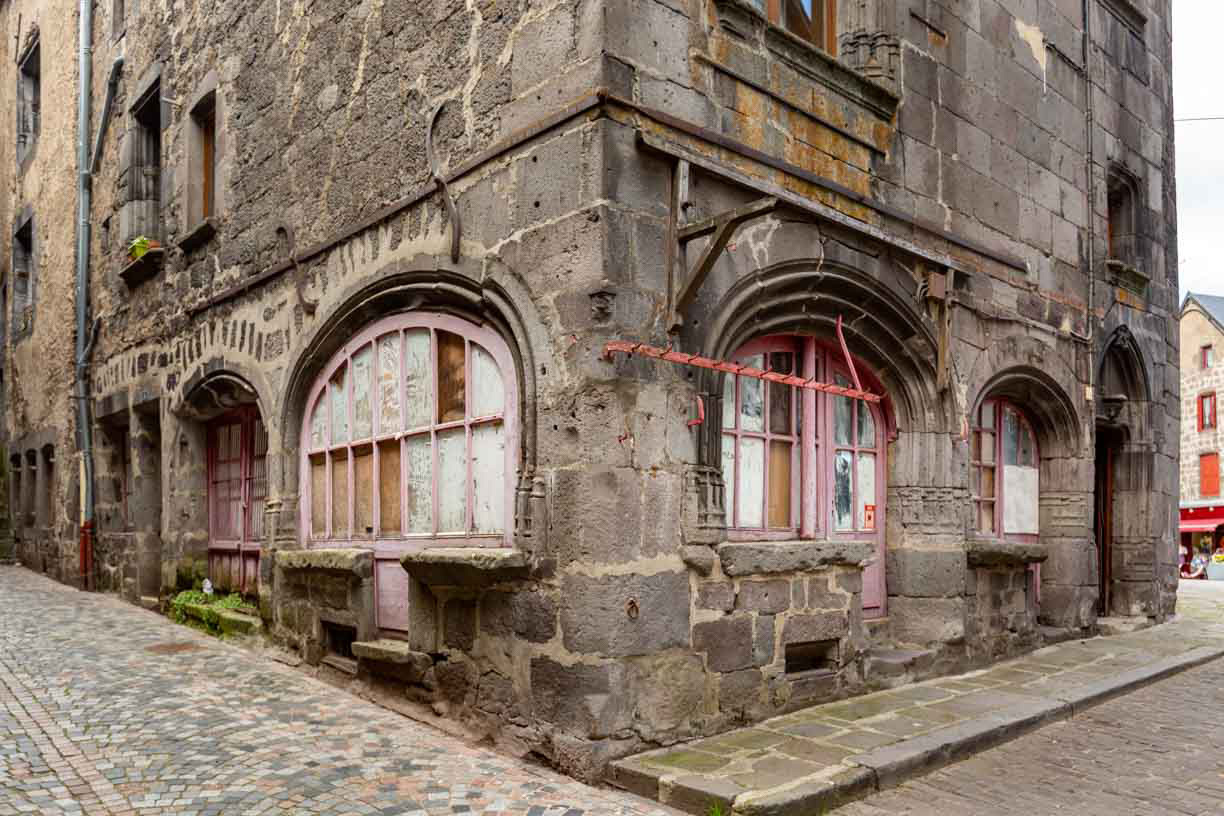
The legacy of the commercial past is visible in the numerous shops with unique basket-handle shaped arched windows, which originally functioned as stone display cases for showcasing goods. Until 1984, this 15^(th)-century house was home to a butcher shop, as evidenced by the street's name, and where the slope allowed waste to be thrown into the street.
Lavoir
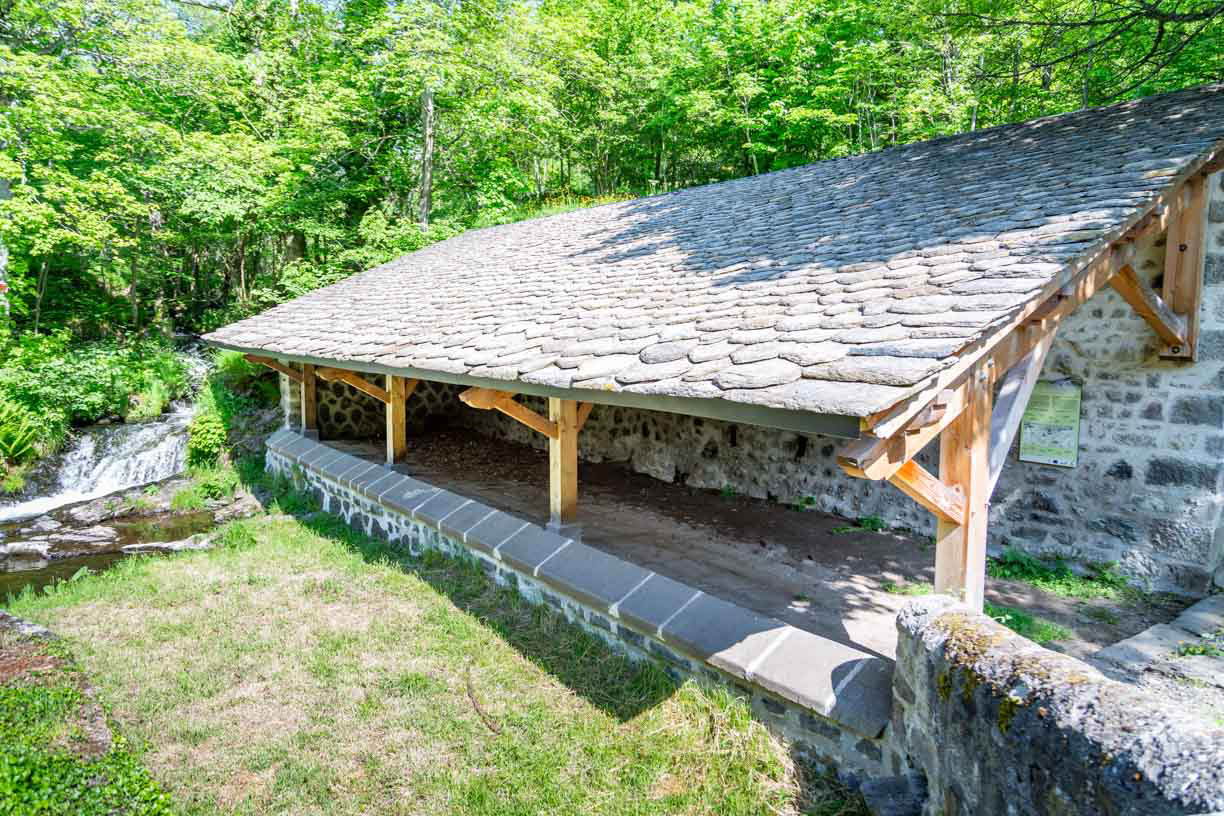
The 19th century saw the arrival of modern hygiene techniques, a consequence of the discovery of viruses and bacteria that cause disease. Lavoirs multiplied and were places where women could socialise while doing laundry. Laundry was scrubbed with ash, then beaten and rinsed with plenty of water before being dried in the open air. Lavoirs have large cut stones sloping towards the water and are easily recognisable.
Hydroelectric Mill
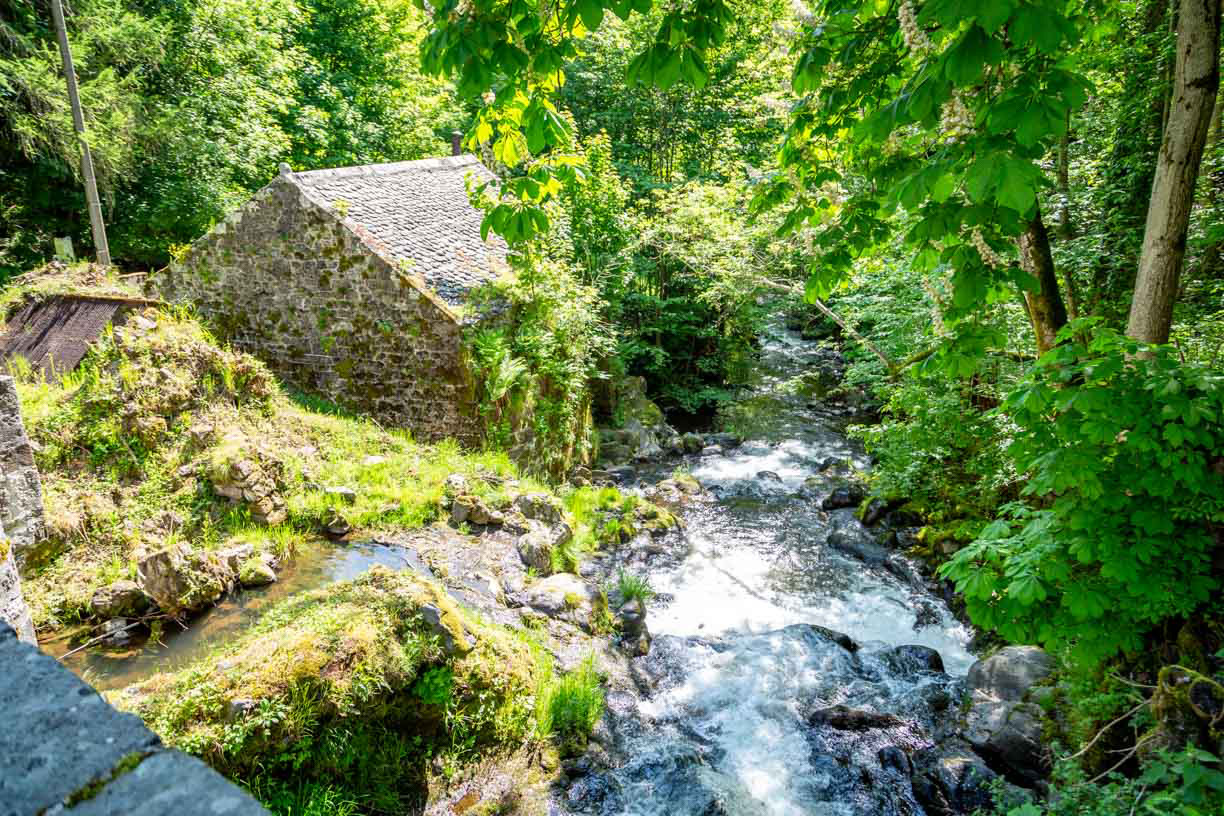
The power of water has been utilised by humans for centuries. In the 19th century, water from the Couze Pavin River was used to generate electricity by turning wheels which drove turbines and a dynamo. Mayor Amédée Berthoule's electrified the town in 1893.
Maternity
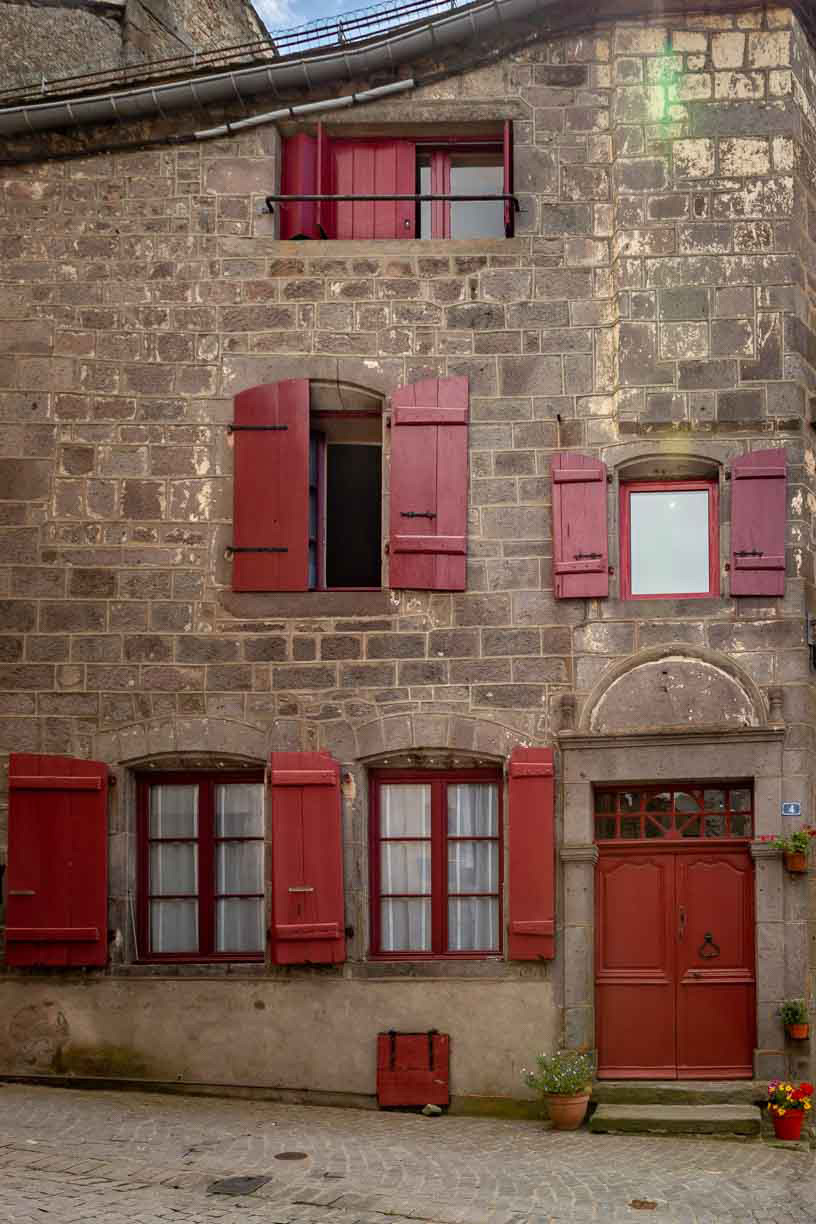
From 1954 and into the 1970s, this facility welcomed women who no longer preferred to give birth at home. The founder of this establishment was midwife Henriette Chaput. The maternity was approved by the social security system and had six beds. Expectant mothers received support throughout their pregnancies, including postnatal care for themselves and their babies.
Sainte-Marie des Remparts Manor House
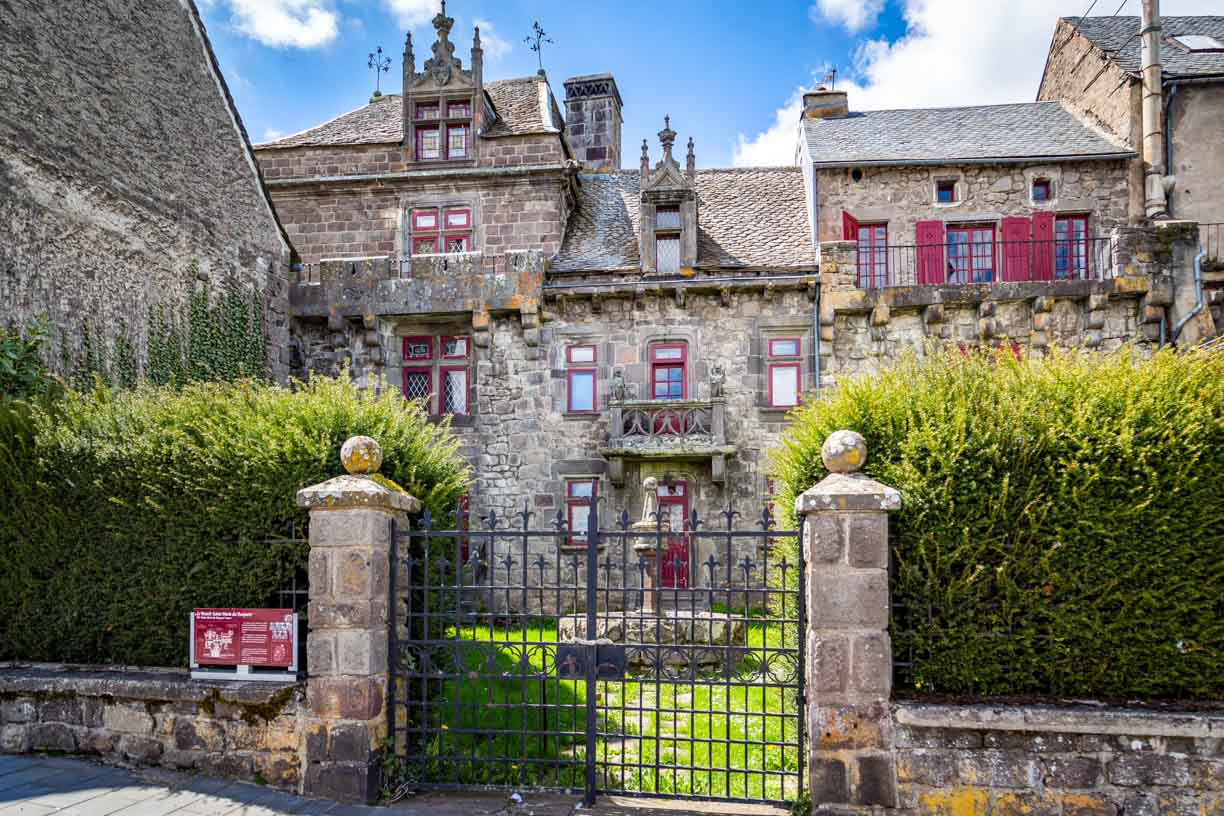
This eclectic building reflects part of the town's past. Ernest Barthélémy, a restaurateur, purchased a section of the fortifications and embellished them with various reused architectural pieces salvaged from the Middle Ages and discarded in the city's waste disposal sites. Among the items he salvaged were the church's old rood screen, modillions illustrating the seven deadly sins, mullioned windows, and the battlements and machicolations of the old fortifications.
The Hôtel de la Poste et de la Providence
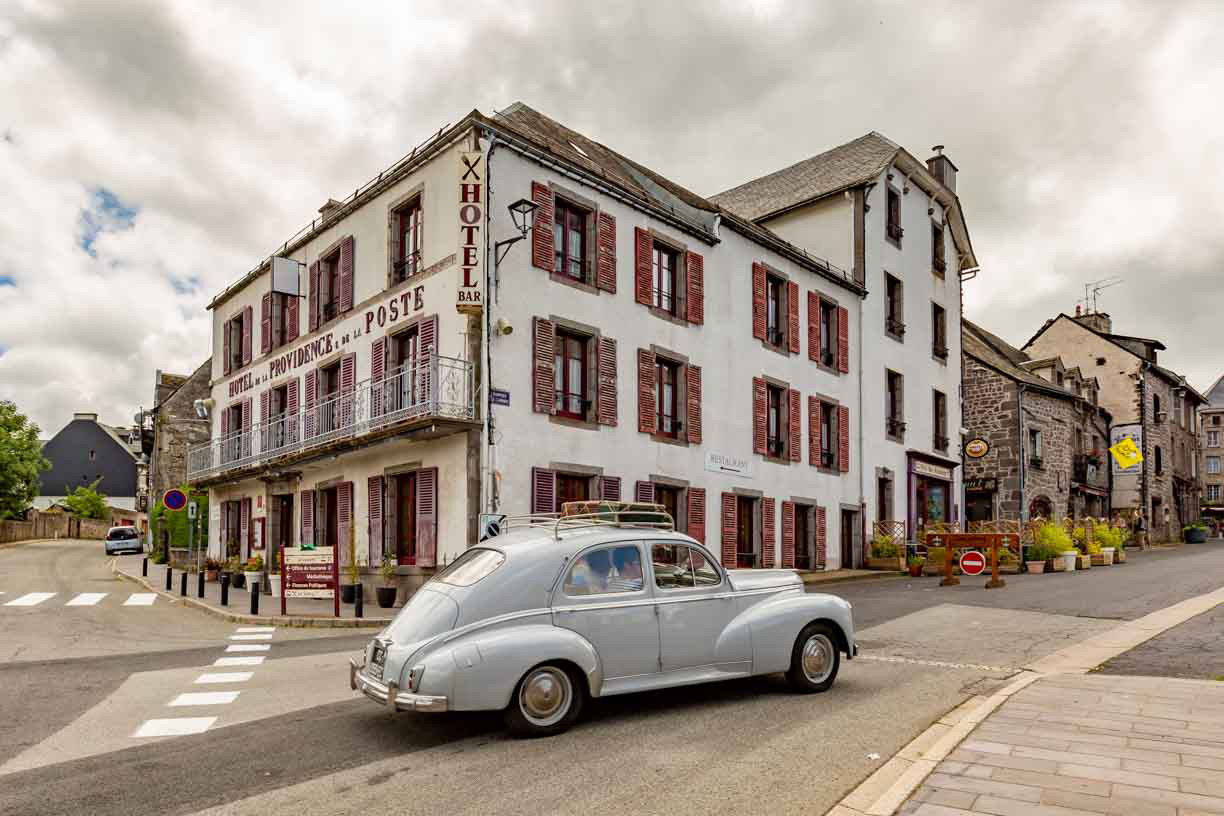
In the 19th century, Besse experienced an economic revival as a 'health resort' offering fresh air and higher altitudes. The town built modern, luxurious hotels to accommodate urban clientele arriving first by stagecoach and then by automobile. Visitors came in summer to enjoy the mountain air and then began to also come in winter as skiing became increasingly popular. The hotel was rented in its entirety by the Michelin family at the beginning of the 20th century. The growth in winter tourism led to the creation of the Super-Besse ski resort in 1961.

Ce projet de carte interactive est porté par les associations Petites Cités de Caractère® de France, Petites Cités de Caractère® en Auvergne Rhône Alpes, Petites Cités de Caractère® du Puy-de-Dôme et par la commune de Besse.
Il est soutenu financièrement par la convention FNADT du Commissariat Massif Central, par l'appel à projet « patrimoine et numérique » de la Région Auvergne Rhône- Alpes, et par la Fondation d’Entreprises du Crédit Agricole Centre France.
Le plan de la commune (visuel de fond) a été réalisé par Lemoineau.
Les traductions en anglais ont été réalisées par Kim Spychalski.
Les voix ont été produites et enregistrées par Marie Léger (version française), Tamara Souverain (version anglaise).
Les photos ont été produites et réalisées par Julie Baudin. Les photographies réalisées par Julie Baudin ont été subventionnées par le Conseil départemental du Puy-de-Dôme.
Les vidéos ont été produites et réalisées par Petites Cités de Caractère®.
Conception et développement de la carte interactive par Tabula Rasa.



Ce projet de carte interactive est porté par les associations Petites Cités de Caractère® de France, Petites Cités de Caractère® en Auvergne Rhône Alpes, Petites Cités de Caractère® du Puy-de-Dôme et par la commune de Besse.
Il est soutenu financièrement par la convention FNADT du Commissariat Massif Central, par l'appel à projet « patrimoine et numérique » de la Région Auvergne Rhône- Alpes, et par la Fondation d’Entreprises du Crédit Agricole Centre France.
Le plan de la commune (visuel de fond) a été réalisé par Lemoineau.
Les traductions en anglais ont été réalisées par Kim Spychalski.
Les voix ont été produites et enregistrées par Marie Léger (version française), Tamara Souverain (version anglaise).
Les photos ont été produites et réalisées par Julie Baudin. Les photographies réalisées par Julie Baudin ont été subventionnées par le Conseil départemental du Puy-de-Dôme.
Les vidéos ont été produites et réalisées par Petites Cités de Caractère®.
Conception et développement de la carte interactive par Tabula Rasa.